|
 |
 | | | | | | ||||||||||||||||||||||||||||||||||||||||||||||||||||||||||||||||||||||||||||||||||||||||||||||||||
| | | You are in: UK: Politics | ||||||||||||||||||||||||||||||||||||||||||||||||||||||||||||||||||||||||||||||||||||||||||||||||||||
|
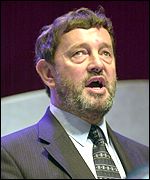
| | Thursday, 7 November, 2002, 20:01 GMT Asylum deadlock broken  Blunkett has secured a deal on Sangatte The government's flagship asylum bill has cleared all its parliamentary hurdles and will now become law, after a compromise broke the deadlock on the issue. The Conservatives have agreed to accept the latest concessions from the government and will not continue their opposition to a key part of the bill in the Commons or Lords.
The move ends the "ping-pong" contest between the Commons and Lords set up when peers inflicted another defeat on plans to site new asylum accommodation centres in rural areas. A new amendment means there will now be an independent monitor to decide if planned asylum centres are in the right place. The parliamentary year has now come to an end, with MPs and peers returning for the Queen's Speech next Wednesday. Interpretation differences? The Tories are claiming victory on the issue but the government says it has got what it wanted. Home Office sources have reportedly said the monitor will only be able to judge the centres once they are up and running. That interpretation apparently caused rancour among some Tories but a party spokesman said shadow home secretary Oliver Letwin was satisfied with the changes.
The Lords had insisted the location of the new centres met the needs of asylum seekers. But the government feared that provision would mean the plans would be constantly challenged in the courts. Home Secretary David Blunkett told MPs the latest change was a "last throw of the dice" and there would be no more amendments. 'Signal to the world' He hoped peers would not halt a bill which would "put in place a more effective, reasonable, sensible and sensitive system in which the British people have trust". The legislation would also give people across the world "a better opportunity to come here legitimately, to work here legitimately or to seek sanctuary here in a more effective fashion", he said. Mr Letwin described the change as "excellent news".
"This is another case of David Blunkett acting in his capacity as the Grand Old Duke of York." Earlier, Tony Blair's spokesman said it was important the Nationality, Immigration and Asylum Bill was approved before the end of the parliamentary session on Thursday. That would show France that the UK was serious about tackling asylum problems, he argued. Earlier this week, the government moved to quell opposition scrapping plans to build a large asylum centre in rural Worcestershire. However, the government still plans to push ahead with large-scale centres at RAF Newton, in Nottinghamshire, and at Bicester, Oxfordshire. In another concession, asylum seekers will also be allowed to leave accommodation centres after six months if their applications have not been processed. Schooling concerns On Tuesday, more than 40 Labour MPs rebelled against plans to teach asylum seeker children in accommodation centres rather than normal schools. But the government managed to stave off another Lords defeat on the issue on Wednesday night. Several peers too were critical of the proposal, with Labour's Lord Parekh among those arguing it was easier to teach English to asylum seekers if they mixed with other children in schools. But Home Office Minister Lord Filkin said urged peers not to oppose a trial whose results would be openly assessed. The plans could give asylum seeker children "specialist support, tailored education for a short period of time whilst accelerating the decision making" on asylum applications, he argued. That defence did not impress charities opposing the measure. Rebecca Hickman, Save The Children's political adviser, called the plans "shameful", saying they "rode roughshod" over the rights of vulnerable children. And the Children's Society's Bob Reitemeier branded the measures "a tragedy for tolerance and freedom". | |
See also:  05 Nov 02 | Politics 31 Oct 02 | Politics 23 Oct 02 | Politics 28 Sep 02 | Europe 26 Sep 02 | Politics 23 May 02 | UK 14 May 02 | Politics Internet links: The BBC is not responsible for the content of external internet sites | ||||||||||||||||||||||||||||||||||||||||||||||||||||||||||||||||||||||||||||||||||||||||||||||||||
 | |
|  E-mail this story to a friend E-mail this story to a friend |
| |
|
| | | ||
 | ||||
 | | Back to top
| ||
| ---------------------------------------------------------------------------------- To BBC Sport>> | To BBC Weather>> | To BBC World Service>> ---------------------------------------------------------------------------------- © MMIII | News Sources | Privacy |




 We are now at the last throw of the dice