
|
 |
 | | | | | | ||||||||||||||||||||||||||||||||||||||||||||||||||||||||||||||||||||||||||||||||||||||||
| | | You are in: UK: Politics | ||||||||||||||||||||||||||||||||||||||||||||||||||||||||||||||||||||||||||||||||||||||||||
|
| | Wednesday, 25 September, 2002, 15:36 GMT 16:36 UK A silent future for Charles? 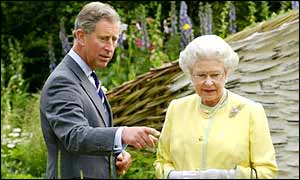 Charles's role will change when he replaces the Queen Prince Charles is fully entitled to hold strong views on politics. The problem comes when he voices them, for one day he will be king. As a private citizen Prince Charles is as entitled as anyone to do and say what he likes. If only he wasn't going to be king one day. It is one of those peculiarities of the unwritten British constitution that important matters of state - such as the role of the monarch - are largely governed by convention.
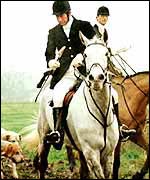
The classic definition of the monarch's role was written by 19th Century writer Walter Bagehot: "The Sovereign has, under a constitutional monarch such as ours, three rights - the right to be consulted, the right to encourage and the right to warn." But apart from that, the public role is to do whatever the prime minister tells him or her. Which is why Charles may have to bite his tongue when he takes the throne. For while the social and educational work of the Prince's Trust is widely admired, some of his other views and activities may not fit the job. Private opinions Prince Charles is a private citizen, so he can do what he likes, said Professor John Alder of Newcastle University, in a previous interview with BBC News Online. But as the monarch he would have to keep out of political issues. "The only political role of the monarch is A, in private, and B, to intervene if the government collapses," he said. It will mean no more criticising bodies such as the National Gallery for its choice of architects. No more publicly questioning the safety of genetically-modified food. And if the prime minister has stated he is going to ban fox hunting, it might not be politic to go out hunting with press photographers in tow.
This particular issue came to the fore in October 1999, when Charles stayed away from a banquet attended by Jiang Zemin, during a state visit to the UK by the Chinese president. Having prepared himself for being king for most of his life, Prince Charles will be well aware of what is appropriate for him. Harold Brooks-Baker, publisher of Burke's Peerage said he thought the prince's failure to attend the banquet with President Jiang was a sign that Charles would do things his way. "This is a clear indication that should Prince Charles be king, he will not be a puppet king," he said. Constitutional expert and Conservative peer, Professor Lord Norton of Louth, said there was no reason why Charles should not express his views - for now at least. "There is no defined role for the heir to the throne, so it's what the holder makes of it," he said. "Constitutionally, there's no problem because he's not the monarch. "It is up to ministers whether they listen to him or not." | |
See also:  25 Sep 02 | Politics 22 Sep 02 | UK 13 Aug 02 | Politics 01 Jul 02 | England 11 Jun 02 | UK Internet links: The BBC is not responsible for the content of external internet sites | ||||||||||||||||||||||||||||||||||||||||||||||||||||||||||||||||||||||||||||||||||||||||
| |
|  E-mail this story to a friend E-mail this story to a friend |
| |
|
| | | ||
 | ||||
 | | Back to top
| ||
| ---------------------------------------------------------------------------------- To BBC Sport>> | To BBC Weather>> | To BBC World Service>> ---------------------------------------------------------------------------------- © MMIII | News Sources | Privacy |






 TALKING POINT
 Prince's politics