|
 |
 | | | | | | |||||||||||||||||||||||||||||||||||||||||||||||||||||||||||||||||||||||||||||||||||||||||||||||||||||||||||||||||||||||||||||||||||||||||||||||||||||||
| | | You are in: UK: Politics | |||||||||||||||||||||||||||||||||||||||||||||||||||||||||||||||||||||||||||||||||||||||||||||||||||||||||||||||||||||||||||||||||||||||||||||||||||||||||
|
| | Wednesday, 17 July, 2002, 20:31 GMT 21:31 UK Blunkett reforms 'threaten justice' 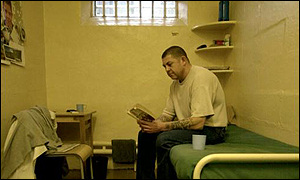 Britain's prisons are already overcrowded Plans by Home Secretary David Blunkett to radically revamp the UK's criminal justice system have received a mixed reaction.
Civil liberties groups fear some of the key proposals - set out in a White Paper earlier on Wednesday - will lead to miscarriages of justice. They are particularly concerned about proposals to scrap the so-called double jeopardy rule. This will allow people acquitted of serious offences, such as murder and rape, to be tried again if "compelling" new evidence comes to light. But campaigners fear it will undermine a fundamental principle of British justice. Juries 'too thick' John Wadham, director of Liberty, said: "Politicians feel they must look tough at all costs - but the cost here is that crime levels will go untouched, while British justice will be seriously damaged.
The Bar Council said there was "a lot that is good" in the White Paper, published earlier on Wednesday. But the organisation is opposed a number of its plans. Chairman David Bean QC said all serious cases should have juries and the abolition of juries in complex fraud cases was wrong. "We have to ask whether the politicians are saying juries are too thick to grasp the issue of dishonesty, which is at stake in all fraud? "We believe that a system of alternate or substitute jurors should be seriously considered in long cases," he said. 'Search for truth' The Police Federation of England and Wales largely welcomed the changes to deliver fairer and more efficient trials.
"The Police Federation wants to see a trial system based on a `search for the truth', rather than the game that currently exists." Metropolitan Police Commissioner Sir John Stevens said the government appeared determined to address many of the concerns he had raised about criminal justice. "Too many cases fail to reach the courts and, when they do, the victims and witnesses all too often find themselves intimidated by the processes." Nacro, the crime reduction charity, welcomed the White Paper's emphasis on focusing prison sentences on serious cases and improving rehabilitation of prisoners. But chief executive Paul Cavadino said there was a risk that some of these measures could backfire if courts misuse them. Lawrence case Some observers claim the proposed double jeopardy changes could lead to a new trial for the men accused of murdering South London teenager Stephen Lawrence. But Imran Khan, the Lawrence family solicitor, said that was not necessarily the case, as the example of "compelling" new evidence quoted by the government was DNA, which was not an issue in the Lawrence trial. He also attacked the broader sweep of the home secretary's plans. "It is not right to say that simply taking away defendant's rights gives victims more rights," Mr Khan told BBC Radio 4's PM. "Eroding further rights is not actually going to decrease crime, it is simply going to send more people to prison." He added: "Victims are not going to get their say in court, simply because we are going to get unfair practices which, I suspect, are going to lead to further miscarriages along the line." Judicial reaction Lord Donaldson, a former master of the Rolls, said he particularly welcomed moves which would allow judges to sit without juries in certain cases. "You have to remember that fraud trials are a con-man's paradise." That meant defendant's were likely to be acquitted wrongly. He added: "Complex cases bore the jury to distraction. "And even though they are doing their best they are inclined to reach a generalised conclusion which may be quite unfair." Britain's top judge, Lord Chief Justice, Lord Woolf, said that unless the reforms proposed by the home secretary were properly-resourced they would fail. | |
See also:  30 Jan 02 | UK 17 Jul 02 | Politics Internet links: The BBC is not responsible for the content of external internet sites | |||||||||||||||||||||||||||||||||||||||||||||||||||||||||||||||||||||||||||||||||||||||||||||||||||||||||||||||||||||||||||||||||||||||||||||||||||||||
| |
|  E-mail this story to a friend E-mail this story to a friend |
| |
|
| | | ||
 | ||||
 | | Back to top
| ||
| ---------------------------------------------------------------------------------- To BBC Sport>> | To BBC Weather>> | To BBC World Service>> ---------------------------------------------------------------------------------- © MMIII | News Sources | Privacy |








 FORUM
FORUM Justice reforms