
|
 |
 | | | | | | |||||||||||||||||||||||||||||||||||||||||||||||||||||||||||||||||||||||||||||||||||||||||||||||||
| | | You are in: UK: Politics | |||||||||||||||||||||||||||||||||||||||||||||||||||||||||||||||||||||||||||||||||||||||||||||||||||
|
| | Monday, 17 June, 2002, 21:51 GMT 22:51 UK Cunningham hunts for Lords consensus 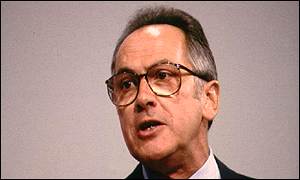 Jack Cunningham is expected to chair the committee Former cabinet enforcer Jack Cunningham looks set to lead the drive to break the deadlock on House of Lords reform. Mr Cunningham is one of the Labour MPs appointed to a new joint committee of both Houses of Parliament set up to try to reach a consensus and is expected to chair the body.
The decision to set up the committee effectively meant the government was abandoning five years of work on reform, including a royal commission and its own proposals. The Conservative MPs who will sit on the committee have yet to be named but it is though they will be former party leader William Hague, ex-Chancellor Ken Clarke and former chief whip James Arbuthnot. Liberal Democrat chief whip Paul Tyler is likely to give his party's MPs a voice on the committee. Election divisions On Monday, former ministers Joyce Quinn and Janet Anderson were named alongside Mr Cunningham as Labour representatives. Joining them from the Labour backbenches in the Commons will be Chris Bryant, Steve McCabe, Terry Rooney, Clive Soley and Paul Stinchcombe. Mr Bryant and Ms Quinn were among more than 100 Labour rebels who last year pressed for a substantially or wholly elected second chamber.
Now Mr Cunningham, who has a reputation as a "fixer", will need to try to reconcile those differences, which have reportedly split the cabinet. House of Commons Leader Robin Cook has insisted the new committee is not a delaying tactic and could mean voters choosing peers by the time of the next general election. But that would depend on how decisive the free votes on the issue were in both Houses of Parliament, and on how fast the new joint committee made progress, said Mr Cook last month. The new committee will look initially at the role and composition of the House of Lords and examine how much power it should have. 'No rival chamber' It will then draw up detailed proposals for reform, with MPs and peers being given a free vote on the options. Lord Chancellor Lord Irvine said last month Labour remained committed to getting rid of the hereditary peers left behind after more than 600 were removed during the first stage of reform in 1999. Lord Irvine said he wanted a reformed second chamber which was "broadly representative of the Britain of today". But the government believed the Lords should remain a revising chamber and should not be allowed to rival the authority of the Commons. The influential Commons public administration committee called for 60% of peers to be elected, putting it at odds with the government's initial plans to have only a fifth voted into the second chamber. | |
Internet links:  The BBC is not responsible for the content of external internet sites | |||||||||||||||||||||||||||||||||||||||||||||||||||||||||||||||||||||||||||||||||||||||||||||||||
| |
|  E-mail this story to a friend E-mail this story to a friend |
| |
|
| | | ||
 | ||||
 | | Back to top
| ||
| ---------------------------------------------------------------------------------- To BBC Sport>> | To BBC Weather>> | To BBC World Service>> ---------------------------------------------------------------------------------- © MMIII | News Sources | Privacy |






