|
 |
 | | | | | | ||||||||||||||||||||||||||||||||||||||||||||||||||||||||||||||||||||||||||||||||||||||||||||||||||||||
| | | You are in: UK: Politics | ||||||||||||||||||||||||||||||||||||||||||||||||||||||||||||||||||||||||||||||||||||||||||||||||||||||||
|
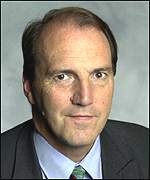
| | Monday, 24 June, 2002, 08:35 GMT 09:35 UK The liberal view on crime 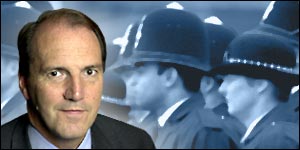 Mr Hughes says it is vital to examine causes of crime
It's why the government's suggestion that benefits could be removed from the parents of young offenders infuriates him. And why he also believes ideas such as offering rewards for families with a record of prompt council tax payment are worth exploring. His theory is that perhaps Tony Blair has forgotten his much-repeated catchphrase while in opposition: the need to get tough on the causes of crime.
That is not to downplay the problem, he adds, because there has been a worrying increase in violent crime. But he adds: "We've got to keep our heads screwed on. We mustn't panic. We must respond and, to go back to the former shadow home secretary's phrase, we've got to concentrate as much on the causes of crime as on dealing with the crime." Mr Hughes says a key issue is to reach potential offenders early, particularly as he says it is often the case that victims become aggressors, such as children from families where there is a history of abuse. But he goes on: "It is true that standards of behaviour and respect have dropped and people are more willing to be more verbally and physically aggressive than they used to be against people they don't know." He blames that to some extent on some of the negative role models presented for young people in the media, but also because there are fewer outlets for "energy consuming" activities for children. Role models Youngsters no longer start work as early as they once did, he says, and "let out safety valve" activities such as school sports clubs are in decline.
He says it is also vital to ensure role models such as footballers provide a good example to youngsters. "That is about making sure that if people are high profile they behave and, for example, Leeds footballers who get convicted of affray are dropped from England squads as they should be." He would also like to enhance a sense of citizenship by introducing a "passing out process a bit like American graduation from high school" which would explain to teenagers their rights and responsibilities to society. 'Completely unfair' So what about the government's idea of withdrawing benefits from the parents of children who break the law? "It's completely unfair," he says. "I can hardly believe they think you can justify it. "Not all kids who misbehave come from families who are on benefit - therefore it is clearly only able to target those whose financial circumstances are at the bottom of the heap. "The way to do it is through the courts and through fines, no matter whose child they are." Mr Hughes prefers an approach which examines the idea of offering rewards - carrots - for good behaviour. "I want my colleagues to look at the idea of whether one might have discounts for reductions in council tax for those who are very good payers of bill," he says. 'Karrot' scheme "Or discounts on rents for people who are good tenants."
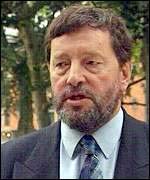
"I am in favour of looking all the time at carrots for families and individuals and using the criminal justice system to give sticks, but not the benefit system, not the tax system," he says. He describes the performance of David Blunkett as home secretary as "interestingly mixed," saying he has "a dangerous tendency towards authoritarianism which confirms that (he) isn't a liberal". But he says there have also been high points, including, he says, Liberal Democrat manifesto ideas that Labour has taken and made their own. Protection He points to action on prison overcrowding, the abolition of vouchers for asylum seekers and the introduction of community support officers working alongside the police.
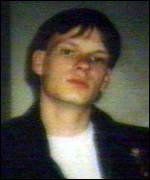
One area where he has a particular concern is the protection of witnesses. He hit the headlines over his efforts to persuade witnesses to come forward over the murder of 17-year-old Jamie Robe in south London in 1997. He said: "One in four crimes gets sorted across the country, one in eight in London, and one of the reasons is people won't give evidence. Witness agreements "And one of the reasons they won't give evidence is there is no guarantee in advance as to what protection they will get."
In addition, he would give some witnesses a written guarantee that they could give evidence from behind a screen or by video, and not be visible from the public gallery. He also favours giving them the option - if necessary - of being moved to a new area and making money available to them to relocate businesses. Other ideas on the agenda for the summer months combine a practical suggestion with a distinctly populist slant. 'Friend of the public' Traffic wardens, he says, could be cleared from the streets by merging the service with the new neighbourhood safety officers and community support officers.
"So at one and the same time you take away a public enemy number one and you give them a more interesting career. "It means that suddenly you have someone who is a friend of the public because they are keeping order, dealing with kids bashing in the telephone kiosk, or the litter or the dog mess, as well as helping the police when there is a road block or whatever." That, he says, would also mean more officers of one kind or another patrolling the streets. "It could be a liberation for the profession." | | See also:  27 Apr 01 | Politics 29 Apr 02 | Politics 06 Oct 00 | UK 11 Jan 02 | England 10 Dec 01 | England Internet links: The BBC is not responsible for the content of external internet sites | ||||||||||||||||||||||||||||||||||||||||||||||||||||||||||||||||||||||||||||||||||||||||||||||||||||||
| |
|  E-mail this story to a friend E-mail this story to a friend |
| |
|
| | | ||
 | ||||
 | | Back to top
| ||
| ---------------------------------------------------------------------------------- To BBC Sport>> | To BBC Weather>> | To BBC World Service>> ---------------------------------------------------------------------------------- © MMIII | News Sources | Privacy |