|
 |
 | | | | | | |||||||||||||||||||||||||||||||||||||||||||||||||||||||||||||||||||||||||||||||||||||||||
| | | You are in: UK: Politics | |||||||||||||||||||||||||||||||||||||||||||||||||||||||||||||||||||||||||||||||||||||||||||
|
| | Saturday, 1 June, 2002, 16:16 GMT 17:16 UK UK rejects UN asylum claims Immigration has hit headlines across Europe The government has rejected claims from the United Nations that "alarmist" political debate about immigration in Europe could endanger asylum seekers and lead to harmful legislation. The UN High Commission for Refugees released two new sets of statistics on Friday indicating that asylum applications in Europe had almost halved in the last decade.
A UNHCR spokesman said "overheated" debate about immigration in Europe "could have very dangerous results for future refugees" and could deny them "a fair hearing and decent treatment". However, a Home Office spokesman said on Saturday that UK figures showed applications for asylum had grown substantially. He added that the Home Office would "absolutely not" accept it had exaggerated the problem. The UN statistics stated that annual applications for asylum in the EU had fallen from 675,460 in 1992 - when there was civil war in the Balkans - to 374,530 in 2001. It said there were just 0.97 annual applications for every 1,000 British inhabitants. Meanwhile, non-Western countries are being asked to accept many more - notably Pakistan and Iran, which between them have taken in about four million Afghan refugees. UK figures rising But the Home Office argued that Britain does not reflect Europe's trend of falling application rates. The spokesman said: "We appreciate the UNHCR's input, but they are obviously looking at it from a European perspective. "Speaking from the UK Government's perspective, application figures have steadily risen."
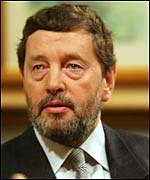
Applications had risen from 32,000 in 1992 to 88,300 in 2001 - more than any other industrialised nation, he said. He also said the overall decline in applications could be almost entirely accounted for by steep drops in Germany and Sweden. "The home secretary has made it abundantly clear that this is an issue that needs to be tackled, not just from a UK perspective but from a European perspective, which is why he is meeting with French Interior Minister Nicholas Sarkozy over the next month," said the spokesman. Home Secretary David Blunkett recently caused controversy when he said some schools and doctors' surgeries were being "swamped" by asylum seekers. Plans were unveiled last week to deport asylum seekers whose applications had been rejected without allowing them to stay pending appeal. Continental shift Italy's parliament has been debating tougher measures in recent days, while EU interior ministers on Thursday moved towards creating a new European border police force to curb illegal immigration. New Danish proposals also aim to clamp down on asylum seekers.
The successes of anti-immigrant political candidates in elections in France and the Netherlands recently caused shock. Some EU leaders are convinced that the only way to tackle the rise of far-right parties - which frequently campaign on anti-immigration platforms - is to take concrete measures to clamp down on foreigners. But other observers have warned that continually identifying immigration as a problem, rather than as a potential resource, can only benefit the far-right. | | See also:  31 May 02 | Europe 30 May 02 | Europe 16 May 02 | Europe 27 Nov 01 | Europe 30 May 02 | UK Politics Internet links: The BBC is not responsible for the content of external internet sites | |||||||||||||||||||||||||||||||||||||||||||||||||||||||||||||||||||||||||||||||||||||||||
| |
|  E-mail this story to a friend E-mail this story to a friend |
| |
|
| | | ||
 | ||||
 | | Back to top
| ||
| ---------------------------------------------------------------------------------- To BBC Sport>> | To BBC Weather>> | To BBC World Service>> ---------------------------------------------------------------------------------- © MMIII | News Sources | Privacy |