|
 |
 | | | | | | |||||||||||||||||||||||||||||||||||||||||||||||||||||||||||||||||||||||||||||||||||||||||||||||||||||||||||||||||||||||||||||||
| | | You are in: UK: N Ireland | |||||||||||||||||||||||||||||||||||||||||||||||||||||||||||||||||||||||||||||||||||||||||||||||||||||||||||||||||||||||||||||||||
|
| | Monday, 9 September, 2002, 13:11 GMT 14:11 UK New voter register system unveiled 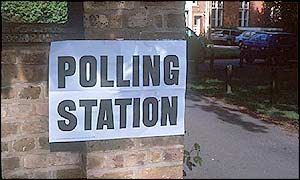 The electorate must register their vote The Electoral Commission has launched a major public awareness campaign to encourage voters in Northern Ireland not to lose their right to vote. The campaign was unveiled on Monday to inform voters of their responsibility to register to vote. Radio and TV advertisements will run for four weeks. A leaflet explaining how to complete the new voter registration form will be hand delivered to the province's 1.2m electors over the next few weeks. The Electoral Commission is an independent body established by the government to ensure public confidence and participation in the democratic process within the United Kingdom.
"Secure your vote Or lose it" billboard posters will also educate people of the changes made to electoral legislation in the province earlier this year. However, local politicians have expressed fears that the new system could cause problems. In the past, if a family forgot to return their form they were given a year's leeway before being deleted from the register. Now it will be immediate, so not returning a form will mean not getting your vote. With an assembly election due to take place in May 2003, political parties across the board are concerned in case their supporters miss out. Helpline A register is compiled every year, but this time things will be different because of a new law designed to combat electoral fraud, which came into effect in May. In the past, just one form was given out to each household. Now every individual voter will have to fill out a form, supply their National Insurance number and date of birth and sign it personally.
A helpline and website have also been set up to help voters understand the new system. The campaign comprises five steps to enable the electorate to secure their vote. People registering to vote will be asked to complete and sign an individual registration form and will be asked to give their national insurance number and date of birth. To vote at the next election they will have to present photographic identification in the polling station. Acceptable ID will include a British or Irish passport, a Northern Ireland driving licence, or a Translink Senior Smartpass. "The commission wants to ensure that the electorate know that they now have to register individually to vote at the next election," said Seamus Magee, head of the Electoral Commission's office in Northern Ireland. "Anyone that doesn't complete the new electoral registration form will lose his or her right to vote." | |
See also:  22 Aug 02 | N Ireland 06 Sep 02 | N Ireland 09 Jan 02 | N Ireland Internet links: The BBC is not responsible for the content of external internet sites Top N Ireland stories now: Links to more N Ireland stories are at the foot of the page. | |||||||||||||||||||||||||||||||||||||||||||||||||||||||||||||||||||||||||||||||||||||||||||||||||||||||||||||||||||||||||||||||
| |
|  E-mail this story to a friend E-mail this story to a friend |
| |
| Links to more N Ireland stories |
| | | ||
 | ||||
 | | Back to top
| ||
| ---------------------------------------------------------------------------------- To BBC Sport>> | To BBC Weather>> | To BBC World Service>> ---------------------------------------------------------------------------------- © MMIII | News Sources | Privacy |