|
 |
 | | | | | | |||||||||||||||||||||||||||||||||||||||||||||||||||||||||||||||||||||||||||||||||||||
| | | You are in: UK: England | |||||||||||||||||||||||||||||||||||||||||||||||||||||||||||||||||||||||||||||||||||||||
|
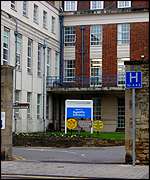
| | Tuesday, 19 November, 2002, 17:16 GMT Organ retention families 'want answers'  A hotline was set up at the John Radcliffe Hospital Families whose dead relatives' organs were retained without their knowledge at four hospitals in Oxfordshire are meeting with health bosses on Tuesday evening. It is the first time the relatives - who are all members of the support group Legacy Faborio - have openly met with the Oxford Radcliffe Hospitals NHS Trust. The families want to know how organs were kept for research at the John Radcliffe Hospital, the Churchill Hospital and the Radcliffe Infirmary, all in Oxford, as well as the Horton Hospital, in Banbury. They also want to know where the body parts - mainly brains - are now.
It was revealed that more than 100,000 organs had been retained by hospitals across England. At the time, the Oxford Radcliffe Hospitals NHS Trust said that about 4,500 organs had been kept by its four sites for research - some dating back 100 years. Special hotline Although none of the organs were taken without consent, the NHS trust says many families signed documents giving permission for them to be removed without fully realising what they were signing. A special hotline was subsequently set up at the John Radcliffe Hospital for concerned families who believed their loved ones may have had organs removed. More than 1,200 bereaved people contacted the number, and over the following months, hospital staff searched 15,000 rooms across the four sites to search for specimens. The Trust was reluctant to discuss exactly how many organs it found. But it said that all those people who inquired about loved ones were duly contacted, and those in need of additional support received help. 'Learnt anything' Sharon Murrant, a spokeswoman for the families, said: "Why did this happen? Who gave permission? What were the reasons? "This is one of the main points the families want to know... if these organs were retained for research, has anything good happened? Have they learnt anything from them?" A spokeswoman for the Trust said: "What we do now is make sure people are absolutely clear that they want to donate relatives' organs. "People are given plenty of opportunity to know what's going on." | |   See also: 18 Nov 02 | England 31 Oct 02 | England 30 Jan 01 | Health 03 Apr 00 | Health Internet links: The BBC is not responsible for the content of external internet sites Top England stories now: Links to more England stories are at the foot of the page. | |||||||||||||||||||||||||||||||||||||||||||||||||||||||||||||||||||||||||||||||||||||
| |
|  E-mail this story to a friend E-mail this story to a friend |
| |
| Links to more England stories |
| | | ||
 | ||||
 | | Back to top
| ||
| ---------------------------------------------------------------------------------- To BBC Sport>> | To BBC Weather>> | To BBC World Service>> ---------------------------------------------------------------------------------- © MMIII | News Sources | Privacy |