|
 |
 | | | | | | |||||||||||||||||||||||||||||||||||||||||||||||||||||||||||||||||||||||||||||||||||||||
| | | You are in: UK: England | |||||||||||||||||||||||||||||||||||||||||||||||||||||||||||||||||||||||||||||||||||||||||
|
| | Monday, 4 November, 2002, 21:50 GMT Blood bank gets �1 lifeline 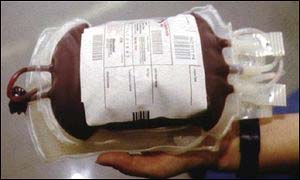 Umbilical cord blood is collected shortly after birth The future of a pioneering blood bank in North East England could be secure after being sold for just �1. The future of the Stem Cells Blood Bank in Newcastle - one of only two in the UK - has been uncertain for the last three years. Now it has been sold to Professor Steven Proctor, head of haematology at Newcastle Hospitals Trust, for a nominal �1 price. Prof Proctor, whose team are at the forefront of treatment using blood obtained from umbilical cords, is urging local people to help raise the �150,000 needed to run the unit every year.
They are master cells that have the ability to develop into any of the body's tissue types, such as blood, liver, muscle and other cells. Professor Proctor successfully performed the first adult transplant in the UK in February. Stephen Knox, 31, from Darlington, underwent the treatment for leukaemia after being given just months to live. Professor Proctor told BBC Look North, the blood bank was an important local and national resource. It was set up in 1998 along with two others in London and Bristol, but the National Blood Service closed the Bristol bank last year. Professor Proctor said: "One-in-three people who need a transplant will not find a donor anywhere in the world using existing resources... the cord blood transplant business might be the one-in-three filler.
"We also have a very active paediatric and adult transplant units... the blood is instantly available on a shelf and we can move very quickly." Professor Proctor said he hoped some funding could be found to help sustain the bank, but he said immediate survival would depend on charitable donations. He added: "The cord transplant business in the UK has not taken off. We are going to have to fund it in the short term through donations. "We have already started negotiations with the Department of Health to give us some core funding. "We think the bank is a very exciting thing and we must not lose it." | |   See also: 08 Jul 02 | England 10 Oct 01 | Health 08 Sep 01 | Health 15 Sep 00 | Health Internet links: The BBC is not responsible for the content of external internet sites Top England stories now: Links to more England stories are at the foot of the page. | |||||||||||||||||||||||||||||||||||||||||||||||||||||||||||||||||||||||||||||||||||||||
| |
|  E-mail this story to a friend E-mail this story to a friend |
| |
| Links to more England stories |
| | | ||
 | ||||
 | | Back to top
| ||
| ---------------------------------------------------------------------------------- To BBC Sport>> | To BBC Weather>> | To BBC World Service>> ---------------------------------------------------------------------------------- © MMIII | News Sources | Privacy |