|
 |
 | | | | | | |||||||||||||||||||||||||||||||||||||||||||||||||||||||||||||||||||||||||||||||||||||
| | | You are in: UK: England | |||||||||||||||||||||||||||||||||||||||||||||||||||||||||||||||||||||||||||||||||||||||
|
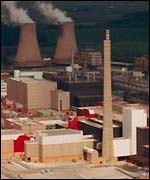
| | Thursday, 15 August, 2002, 09:28 GMT 10:28 UK Child cancers 'not caused by Sellafield'  Sellafield has long been controversial Cancers found among children in Seascale in the 1970s and 80s, were not caused by their fathers' exposure to radiation, a new report has claimed. A study by the Committee on the Medical Aspects of Radiation in the Environment (Comare) looked at studies of childhood cancer from around the world. Comare reviewed studies showing that children of radiated workers in the UK and other countries were more likely to get leukaemia and non-Hodgkin's lymphoma. It has now concluded that children of nuclear workers are no more at risk of getting cancer than others. Laboratory research Comare said the cluster might be caused by a mix of population causing exposure to infectious diseases. Pesticides or chemicals could also be responsible. Professor Bryn Bridges, the chairman of the committee, said: "There needs to be a lot more research into the mechanisms of childhood cancers. "It has to be fundamental research, not studies into what is going on at Seascale and Sellafield, but lab and other work that will show why childhood cancers appear in little clusters." Comare's findings come more than a decade after a Department of Health report said there was a link.
The new study has found there was a cancer cluster in Seascale but it was not repeated in other children in the surrounding area where most workers lived. The finding has been welcomed by the nuclear industry. Paul Thomas, British Nuclear Fuels Limited's (BNFL) Director of Environment, Health and Safety, said: "This is good news for our workforce. "This report should offer considerable comfort to employees that the low levels of occupational radiation exposure they may receive as part of their work do not increase the risk of cancer in their children." But pressure group Cumbrians Opposed to a Radioactive Environment (Core) said the report should have focused more closely on Seascale. Gene code A spokesman told BBC News Online: "This is another attempt to say the cancer clusters are nothing to do with Sellafield. "There is no point in basing your study by looking at other plants. They may have tightened things up now, but in the 1970s and 80s Sellafield was a plant causing a lot of exposure to workers." The government has accepted Comare's recommendation for more research into changes in the gene code of cells leading to childhood cancer. The theory of a cancer link was first aired in 1990 by the late Martin Gardner, an epidemiologist from the University of Southampton. | |   See also: 19 Jun 02 | Health 27 May 99 | Health 29 May 02 | Health 13 Nov 00 | Health 13 Oct 00 | Health Internet links: The BBC is not responsible for the content of external internet sites Top England stories now: Links to more England stories are at the foot of the page. | |||||||||||||||||||||||||||||||||||||||||||||||||||||||||||||||||||||||||||||||||||||
| |
|  E-mail this story to a friend E-mail this story to a friend |
| |
| Links to more England stories |
| | | ||
 | ||||
 | | Back to top
| ||
| ---------------------------------------------------------------------------------- To BBC Sport>> | To BBC Weather>> | To BBC World Service>> ---------------------------------------------------------------------------------- © MMIII | News Sources | Privacy |