|
 |
 | | | | | | |||||||||||||||||||||||||||||||||||||||||||||||||||||||||||||||||||||||||||||||||||||||||
| | | You are in: UK: England | |||||||||||||||||||||||||||||||||||||||||||||||||||||||||||||||||||||||||||||||||||||||||||
|
| | Monday, 12 August, 2002, 19:15 GMT 20:15 UK Spot fines get mixed reception 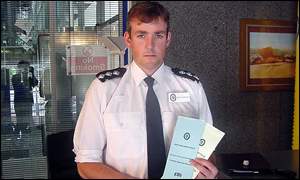 Chief Inspector Andronov: Fines will save police time Police have been given the power to issue on-the-spot fines for anti-social behaviour in three pilot areas. The scheme will apply in the West Midlands, Essex and Croydon in south London. North Wales will begin the pilot in September Police in the West Midlands applaud the new fines - but the general public is less certain. For Chief Inspector James Andronov of the West Midlands Police, the new spot fines could prove a "vital tool" for his officers. Not only will they protect the public from rowdy behaviour, but they will also save police and court time, he says. But he stresses they will not be a replacement for existing systems of justice. "These fines are aimed at minor, straightforward, low level offences.
Nor, he claims, will they affect a suspect's right to trial. "If they are aggrieved in any way or have mitigating circumstances they can request a court hearing. "These are aimed at low level offences that people would have pleaded guilty to." Chief Inspector Andronov is undeterred by criticism that the system is unworkable. "There's this image of us trying to hand notices to drunks on the street - nothing could be further from the truth. "If people are drunk and disorderly, they will be arrested and taken to the police station to sober up."
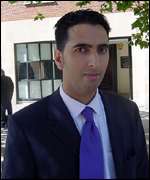
He also believes the threat of incurring bailiffs costs will prompt offenders to pay their fines in the allotted 21 days rather than wait for court action. "I think this will be a vital tool to protect the community throughout the West Midlands." But there was a less enthusiastic reception to the new scheme from people on the streets of central Birmingham. Many simply could not see how the system would work. Mohammed Fiaz, 27, said of the new fines: "That would be great but at the end of the day, are they going to pay? "People should be responsible for their actions. Disorderly behaviour is not on."
Mrs Johnson, a pensioner, was of the same opinion. "I think it's an excellent idea but I don't think it will work. "I support it because I don't like rowdy behaviour. "But there are many more terrible things happening - those missing girls, all these wars and so on." Clement Krauth, a 68-year-old from Shirley in the West Midlands said: "I think it's a good thing if it works. "They can't get fines from people even if they've been taken to court.
And others felt the fines would be "misused" by the police. Lee Skiffinton, a 27-year-old skateboard shop manager, said: "No doubt they will be using it to impose the law on skateboarders on the streets, so it's just one more example of the government putting money in the wrong places. "If they actually let people grow up and go out after the current licensing laws they wouldn't have this problem anyway. "They should invest more in services for young people." Alan Riley, a Birmingham 25-year-old, said groups of young men could end up victimised. "As quite a heavy drinker - a weekend drinker - I'm not looking forward to it. "Everybody wants to go out and have a good time." Mr Riley said that while his own drunken behaviour was limited to singing songs, he still felt persecuted by bouncers who judged him on the way he looks. "I would say a group of girls is far less likely to get fined." | |   See also: 12 Aug 02 | UK 12 Aug 02 | UK 12 Aug 02 | UK Top England stories now: Links to more England stories are at the foot of the page. | |||||||||||||||||||||||||||||||||||||||||||||||||||||||||||||||||||||||||||||||||||||||||
| |
|  E-mail this story to a friend E-mail this story to a friend |
| |
| Links to more England stories |
| | | ||
 | ||||
 | | Back to top
| ||
| ---------------------------------------------------------------------------------- To BBC Sport>> | To BBC Weather>> | To BBC World Service>> ---------------------------------------------------------------------------------- © MMIII | News Sources | Privacy |