|
 |
 | | | | | | |||||||||||||||||||||||||||||||||||||||||||||||||||||||||||||||||||||||||||||||||||||
| | | You are in: UK: Education | |||||||||||||||||||||||||||||||||||||||||||||||||||||||||||||||||||||||||||||||||||||||
|
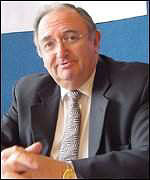
| | Thursday, 30 January, 2003, 02:29 GMT Call for 'fairer' schools system  Wide differences in UK pupils' achievements A "genuine comprehensive system" is needed to improve pupils' school performances, the leader of Britain's biggest teachers' union argues. Doug McAvoy, general secretary of the National Union of Teachers, claimed specialist schools - favoured by the government in England - "work against the diversity of all our young people". He proposed Finland, which has reduced its level of pupil selection, as an example for the UK to follow.
Mr McAvoy's comments come after the international Pisa study of educational achievement found Finnish children had the highest level of literacy in the world. In Britain, 25% of children leave primary school unable to read, write and count well. Half leaving secondary school in England have fewer than five good GCSEs. Mr McAvoy told a London conference to discuss the Pisa findings: "Finnish schools have a high degree of autonomy in teaching and in the curriculum. "Finnish teachers have more say than their colleagues in other countries in determining course content, establishing student assessment policies, deciding which courses the school should offer and allocating budgets." But the government is defending its push towards more specialist schools, which offer more teaching in specific subjects such as science or languages. 'Rich-poor gap' The School Standards Minister, David Milliband, argued at the conference that specialism encouraged excellence and raised general standards. "We see specialist status as increasingly the norm, not because we want to fetishise particular subjects but because we believe it helps drive school improvement," he said. Mr Miliband accepted that Pisa had shown England had one of the "most unequal education systems in the industrialised world". "Far too many children who have the brains and skills and potential to succeed are not given the opportunities to fulfil that potential," he said. "What is more, they are not any old children, they are those least likely to have a home background that makes up for poor schooling. "They are born into disadvantage and then condemned to it." So it was important to "raise the floor and remove the ceiling" - helping underperforming schools and encouraging excellence. "Average schooling is not enough to help the disadvantaged pupil make something of themselves." Selection Finland was also held up as an example recently at a briefing on the English school league tables by the head of the Department for Education's standards unit, Professor David Hopkins. He was asked why selective schools appeared to do so well on the new "value added" measure of children's progress. "When you are selective, that concentration of higher achieving pupils will give you a little bit more advantage," he said. It was important to look at things from a national perspective - selective schools were more effective for only a small group of pupils. Finland had reduced selection and had raised achievement "across the board", he said. The conference was hosted by the NUT and the second biggest teachers' union, the NASUWT. Its leader, Eamonn O'Kane, said that in countries where inequalities had been reduced sharply, student performance had increased. "In other words, the more equal the society, the better the educational performance." | | See also:  04 Dec 01 | Education 12 Jul 02 | Education 24 Jun 02 | Education 24 Jun 02 | World at One 01 May 02 | Education Internet links: The BBC is not responsible for the content of external internet sites Top Education stories now: Links to more Education stories are at the foot of the page. | |||||||||||||||||||||||||||||||||||||||||||||||||||||||||||||||||||||||||||||||||||||
 | |
|  E-mail this story to a friend E-mail this story to a friend |
| |
| Links to more Education stories |
| | | ||
 | ||||
 | | Back to top
| ||
| ---------------------------------------------------------------------------------- To BBC Sport>> | To BBC Weather>> | To BBC World Service>> ---------------------------------------------------------------------------------- © MMIII | News Sources | Privacy |