
|
 |
 | | | | | | ||||||||||||||||||||||||||||||||||||||||||||||||||||||||||||||||||||||||||||||||||||||||||||||||||||||||||||||||||||||
| | | You are in: UK: Education | ||||||||||||||||||||||||||||||||||||||||||||||||||||||||||||||||||||||||||||||||||||||||||||||||||||||||||||||||||||||||
|
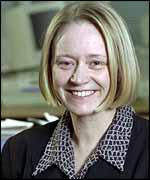
| | Thursday, 30 January, 2003, 10:03 GMT An end to 'one size fits all' schooling  Students are to get a slimmed-down curriculum Smaller classes, more choice for students and fewer exams are promised in the Scottish Executive's official response to the National Debate on Education. In a statement to the Scottish Parliament, the Education Minister, Cathy Jamieson, pledged an end to "one size fits all" comprehensive schools. Responses to the debate last year produced "overwhelming" public support for Scotland's system of universal comprehensive secondary schooling. But Ms Jamieson used words often repeated by ministers in England, who have been introducing greater diversity in types of school. She said: "Comprehensive education is no longer about one size that is supposed to fit all. "We must also make sure that comprehensive education gives the best life chance for every single child, meeting the needs of the 21st Century, not the 1970s." The executive identified "key areas" for action:
Ms Jamieson promised to improve levels of literacy and numeracy, particularly for the most vulnerable and disadvantaged young people. Warning to schools Changes to teacher training and smaller class sizes would be used to try to raise standards. The emphasis would be on the last year of primary school and the first two years of secondary school. Teachers might work across both phases, to ease children's transition. "Literacy and numeracy will be at the heart of a revised curriculum and we will not tolerate underperformance in these areas," she said. Continued failure by schools to "deliver" would not be tolerated. 'Failed strategies' But SNP education spokesman Mike Russell described her statement as "vague and insubstantial" and "riddled with inconsistencies". "The minister said on literacy and numeracy that the current situation is simply not good enough. "However this document, meant to be the guidelines for education in Scotland, simply says the Executive will continue to implement current strategies for literacy and numeracy. "The current strategies have failed, the minister admits it, but this document does nothing about it." Fewer exams Ms Jamieson said the review of the 5-14 curriculum would be designed to ensure that pupils could opt for academic or vocational subjects, around a "well-balanced core", that best matched their interests and aspirations.
This could include exams only when children leave school. "I am not convinced that all of our young people really need to sit exams every year from S4 to S6," she said. "We must have a simpler system, without age and stage restrictions. "We will reduce a number of tests and exams at primary and secondary schools, and the amount of time spent on them." There would be renewed efforts to tackle indiscipline and bullying. 'Disappointing' The Liberal Democrats said the statement was only a first step. But Tory spokesman Brian Monteith said it had been "profoundly disappointing". "It tells us very little we had not heard before and confirms that the debate was all about masking the coalition government's lack of ideas about how to help our schools, teachers and pupils," he said. The leader of the main teaching union, Ronnie Smith of the Educational Institute of Scotland, said the class size announcement was "an important step in the right direction". "It has still to be decided, however, how many young people in schools are likely to benefit from smaller class sizes," he said. "It is also unclear what the size of such classes or groups will be." The review of the curriculum was "a most welcome step", and he also strongly welcomed the proposal to streamline and simplify assessment. | |
See also:  09 Oct 02 | Scotland 25 Jun 02 | Scotland 25 Jun 02 | Scotland 23 May 02 | Scotland 20 Mar 02 | Scotland Internet links: The BBC is not responsible for the content of external internet sites Top Education stories now: Links to more Education stories are at the foot of the page. | ||||||||||||||||||||||||||||||||||||||||||||||||||||||||||||||||||||||||||||||||||||||||||||||||||||||||||||||||||||||
 | |
|  E-mail this story to a friend E-mail this story to a friend |
| |
| Links to more Education stories |
| | | ||
 | ||||
 | | Back to top
| ||
| ---------------------------------------------------------------------------------- To BBC Sport>> | To BBC Weather>> | To BBC World Service>> ---------------------------------------------------------------------------------- © MMIII | News Sources | Privacy |




 I am not convinced that all of our young people really need to sit exams every year from S4 to S6

