
|
 |
 | | | | | | |||||||||||||||||||||||||||||||||||||||||||||||||||||||||||||||||||||||||||||||||||||||||||||||||||||||||||||||||||||||||||||||||||||||||||||
| | | You are in: UK: Education | |||||||||||||||||||||||||||||||||||||||||||||||||||||||||||||||||||||||||||||||||||||||||||||||||||||||||||||||||||||||||||||||||||||||||||||||
|
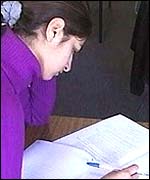
| | Tuesday, 21 January, 2003, 22:04 GMT Vocational options for bored pupils  Pupils will be able to receive more work-related teaching Teenagers in England will be able to spend most of their school day studying vocational subjects under plans unveiled by the government. Youngsters disaffected with academic subjects will be able to learn craft skills in an effort to motivate pupils to stay in education. And in the longer-term, the government is considering replacing the current A-level system with an English baccalaureate.
The lack of vocational education had been an "historic weakness" of the English education system, said the School Standards Minister, David Miliband, And it had contributed to too many pupils leaving education at 16 - with Britain at present having one of the lowest staying-on rates in the industrialised world. "We think it very important to build better links between education and work - and not just for the less able," said the Education Secretary, Charles Clarke. "In England we have allowed vocational studies to have second class status. This has to change. We need to develop confidence in our society that vocational learning can and does lead to good, skilled and well-paid jobs," said Mr Miliband. But the Conservatives warned that vocational training must be of a high standard. "Taking pupils out of school for two days a week to have them making tea at a local firm will not be good enough," said Shadow Education Secretary, Damian Green. More options The government's strategy for 14 to 19 year olds will see the cutting back of the curriculum to make space for pupils who want to opt for vocational lessons. The intention is to provide options for both academic and non-academic pupils, which will keep most young people in education and training until the age of 19.
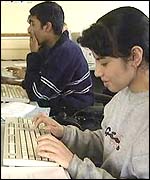
Information and communication technology (ICT) will eventually cease to be compulsory as a separate subject. And it has already been announced that modern languages will be optional after the age of 14. This will mean that pupils will still have to study English, maths and science - but more than two-thirds of the timetable will be available for vocational subjects. Equal status Pupils will be able to spend time in work placements and further education colleges, as well as in school. In an effort to emphasise their equal status with academic GCSEs, the term "vocational GCSE" will be dropped - and they will simply become GCSEs. The government is also dropping plans for distinction grades at A-level. And plans for an over-arching matriculation diploma are to be ditched. Science shake-up A new type of science GCSE will also be introduced, which will seek to be more attractive to youngsters, with clearer connections to issues such as pollution, cloning and genetics. There is also to be another role for the former chief inspector, Mike Tomlinson, who will lead an inquiry into whether there should be a move towards a baccalaureate system. Ministers said that nothing was so far decided, but that in the long term there could be benefits from switching to a broader-based baccalaureate-style qualification. And they accepted that this could mark the end of the traditional A-level. There were also warnings about concerns that expanding vocational education could create a two-tier system. "There is a danger in promoting a division between academic and vocational education. It is vital that we remove the second-class stigma from vocational courses," said Doug McAvoy, general secretary of the National Union of Teachers. "But the Government must be careful and not fall into the trap of categorising young people into two types. That would invoke the ghosts of the pre-comprehensive past." Do you agree with the decision to allow 14 to 19 year olds to opt for more vocational lessons? Who will benefit more from the move - the pupils, the schools, or industry?
Andrew Starr, UK As a secondary English teacher I welcome the proposed broadening of the curriculum. It has become increasingly apparent over recent years that we need to offer students greater relevance to the world for which we are preparing them. The trend in schools towards larger numbers of disaffected individuals can only be halted by acknowledging that some pupils need an alternative to the current academic syllabus. The end of the apprenticeship scheme was the worst thing for this country. Followed by the idea that everyone should go to university and study something, no matter how irrelevant to life. We now have a country with a shortage of plumbers and a surplus of media gurus
Helen Barrett, UK If it keeps more young people in education, helping them to do what will help them in the long run then it's a good idea. But the ideas have to be worked out properly first otherwise it could turn out to be a disastrous cock-up! If you have a child who is dyslexic or has some other intellectual disability then there is no point in trying to force feed him through an academic education. Like the cobbler and the blacksmith's assistant they need the opportunity to learn and enjoy an honest trade and to be encouraged to get and retain the motivation to see it through - and avoid becoming one of life's losers on social welfare. The idea that universities are for everyone is and always was absolute nonsense.
Mark Bonner, England As a parent whose 13 year old is currently going through her options choices, I believe there is less choice now then when I went through the same thing 25 years ago. Therefore I welcome this change, but will this hinder the 'brighter' children from progressing onwards to university to study more academic subjects and encourage less able or willing children to stop studying the academic subjects for an easy life through school? It seems bizarre that after criticising universities for offering "Mickey Mouse" degrees, the government is now intent on offering 14 - 19 year olds Mickey Mouse educations. Or is this just a way to disguise the fact that numeracy and literacy targets are not being reached? | |
See also:  22 Jul 02 | Education 09 Jan 03 | Education 29 Oct 02 | Education Internet links: The BBC is not responsible for the content of external internet sites Top Education stories now: Links to more Education stories are at the foot of the page. | |||||||||||||||||||||||||||||||||||||||||||||||||||||||||||||||||||||||||||||||||||||||||||||||||||||||||||||||||||||||||||||||||||||||||||||
|  |
|  E-mail this story to a friend E-mail this story to a friend |
 | |
| Links to more Education stories |
| | | ||
 | ||||
 | | Back to top
| ||
| ---------------------------------------------------------------------------------- To BBC Sport>> | To BBC Weather>> | To BBC World Service>> ---------------------------------------------------------------------------------- © MMIII | News Sources | Privacy |





 We are by far the worst nation in Europe for to learning foreign languages.


