|
 |
 | | | | | | ||||||||||||||||||||||||||||||||||||||||||||||||||||||||||||||||||||||||||||||||||||||
| | | You are in: UK: Education | ||||||||||||||||||||||||||||||||||||||||||||||||||||||||||||||||||||||||||||||||||||||||
|
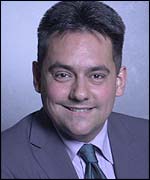
| | Friday, 10 January, 2003, 12:27 GMT Head to head: Primary targets  The policy of primary tests continues to be controversial The government has announced a new strategy to raise standards in English and maths in England's primary schools - combining its previous plans. But the policy of government-set targets continues to be a controversial one. Primary school head teacher Angeles Walford and Education Minister Stephen Twigg give their opinions.
They simply seemed to pick a figure out of the air and expected it to grow. Schools are not failing, children are not failing. A quarter of primary school pupils can't read and more than a quarter can't do the sums necessary. The problem lies in inadequate funding and inadequate amount of teachers. Too many overseas teachers are flooding our schools who are not trained to teach the strategies and teachers are moving too quickly from one school to the other. We're not against target-setting. Targets should be set - it's vital that they are set. In my school we set realistic and challenging targets, based on the secure knowledge of each child's previous score. We collate these scores to produce an overall target - it's not rocket science. I've got nothing against training teachers to teach the strategies but there have been so many new initiatives - I don't think the public is aware of that. There have been so many and none of them have been allowed to become embedded. There is nothing wrong with the strategies. It is that we don't have the teachers to teach them.
When we came to power in 1997, barely more than 60% of 11-year-olds were achieving what we'd expect in terms of English and Maths and thanks to the hard work of schools and pupils, we've seen that rise to 75%. I'm not announcing any new target - we're reaffirming a target that we set some time ago and that's because we want the best possible start in life for our young people. Training is an important part of this, giving extra opportunities. But what we want is to work with the schools, to work with heads and teachers to get those best possible results. I think most people would expect that primary schools should be teaching our pupils to get the possible results in English and Maths so they're equipped, not only for secondary school, but for wider life. It just isn't acceptable for one in four 11 year olds not to be reading, writing, spelling and doing maths to the expected level - that is letting down a lot of young people. I can't sort this out on my own from Whitehall. What I can do is provide a framework and that's what we're doing today with the announcement - that we're seeking to learn the lessons of literacy and numeracy, bring the two strategies together so that primary schools can work to get even better results. Of course teacher recruitment is important and that is part of this. But Ofsted have said that we have the best generation of teachers ever and I think we should be welcoming that and working with those teachers and head teachers to ensure the success of these strategies. | | See also:  10 Jan 03 | Education 26 Nov 02 | Education 26 Sep 02 | Education 08 Feb 02 | Education 14 Dec 99 | Education Top Education stories now: Links to more Education stories are at the foot of the page. | ||||||||||||||||||||||||||||||||||||||||||||||||||||||||||||||||||||||||||||||||||||||
 | |
|  E-mail this story to a friend E-mail this story to a friend |
| |
| Links to more Education stories |
| | | ||
 | ||||
 | | Back to top
| ||
| ---------------------------------------------------------------------------------- To BBC Sport>> | To BBC Weather>> | To BBC World Service>> ---------------------------------------------------------------------------------- © MMIII | News Sources | Privacy |




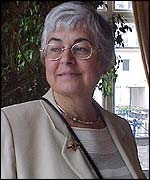
 The root of the problem lies in the target-setting process that the government first used - if it was a process.