|
 |
 | | | | | | ||||||||||||||||||||||||||||||||||||||||||||||||||||||||||||||||||||||||||||||||||||||||||||||
| | | You are in: UK: Education | ||||||||||||||||||||||||||||||||||||||||||||||||||||||||||||||||||||||||||||||||||||||||||||||||
|
| | Tuesday, 24 December, 2002, 00:39 GMT Wales puts education first  Boys' achievement remains a concern
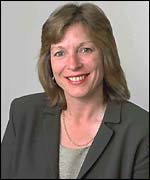
2002 under review The Learning Country - that's how the Welsh Assembly's Education Minister, Jane Davidson, describes Wales and certainly education has been a top priority for the government here. And if you want to see devolution in action, education in Wales is a pretty good starting point. No specialist schools or league tables here. Earlier this year the student grant reappeared in the shape of the ALG, the Assembly Learning Grant. A total of �44m has been injected into the project, which will give grants to students in higher education and some further education courses. Limited grants The sums on offer are nowhere near that of the old student grant. The largest possible is around �1,500, the average grant is expected to be about �900 and only the very poorest students will be able to apply. But as a symbol of the National Assembly moving sharply away from London in a new direction, it's a potent one.
The future of the Welsh language has featured large in education. At present all 14-16 year olds are required to study Welsh as a first or second language at GCSE level, although it's not compulsory to take the exam. Resources are now being directed to early years learning - it's hoped that by immersing children at an early age they'll continue language learning as they grow. The future of small schools has been one of the most controversial issues. Small schools Some schools in rural parts of Wales have fewer than nine pupils. Many children are taught in Victorian, one-roomed buildings with outdoor toilets and few facilities. But supporters say these schools form the heart of many of the most isolated communities in the north and west of the country. Parents have fought plans by some local authorities to close these schools and move the children to what the authorities say are bigger and better-equipped schools. As ever, language is a major issue. Many of these schools teach exclusively through the medium of Welsh and there's concern that Welsh-speaking children who are sent to larger schools could be swamped by their English-speaking peers. Gender gap The gap between boys and girls at GCSE became a serious cause for concern this year. Figures from the Welsh exam board, the WJEC, on this year's results found that on average, the boys were 10% behind in nearly every subject. Gareth Matthewson, the headmaster of Wales's biggest secondary school and next year's president of the National Association of Head Teachers, said it was time for government and universities to find out why boys were lagging behind - and to decide what to do about it. While in England plans were announced for 50,000 classroom assistants to lift the burden of administration from teacher's shoulders, that won't be the case here. Instead, schools will decide for themselves what kind of support they want. That might mean a classroom assistant, someone to look after exam entries or even a school bursar. Targets missed The year came to a disappointing end with the news that targets for GCSE achievement hadn't been reached. The Assembly had hoped that 50% of students would achieve a grade C or above in the core subjects of English or Welsh, maths and science. In fact the figure was 37% and there are still 11 schools in Wales where less than 25% of children attain five or more good GCSEs. Next year the new post-16 qualification, the Welsh Baccalaureate, will be tried in schools and colleges across the country. Students will have to complete modules in languages, sciences and the humanities as well as their A-level subjects. Tuition fees Its supporters say it will give Welsh students a broader education and make them more attractive to university admission tutors and employers, but its critics claim the new qualification doesn't go far enough. In common with A-level students in England, students here are awaiting the government's plans for the future of university funding. A White Paper is due to be published next month. The University of Wales says it doesn't want to charge students additional fees. The Education Minister, Jane Davidson, told the Assembly earlier this year that personally she was opposed to the concept of "top-up" fees. Once again, when it comes to education, devolution means that Wales is going its own way. | | See also:  29 Oct 02 | Education 22 Oct 02 | Wales 23 Sep 02 | Wales 08 Aug 02 | Wales 12 Feb 02 | Wales Internet links: The BBC is not responsible for the content of external internet sites Top Education stories now: Links to more Education stories are at the foot of the page. | ||||||||||||||||||||||||||||||||||||||||||||||||||||||||||||||||||||||||||||||||||||||||||||||
 | |
|  E-mail this story to a friend E-mail this story to a friend |
| |
| Links to more Education stories |
| | | ||
 | ||||
 | | Back to top
| ||
| ---------------------------------------------------------------------------------- To BBC Sport>> | To BBC Weather>> | To BBC World Service>> ---------------------------------------------------------------------------------- © MMIII | News Sources | Privacy |