|
 |
 | | | | | | |||||||||||||||||||||||||||||||||||||||||||||||||||||||||||||||||||||||||||||||||||||||||||||||||||||||||||||||||||||||||||||||||||||||
| | | You are in: UK: Education | |||||||||||||||||||||||||||||||||||||||||||||||||||||||||||||||||||||||||||||||||||||||||||||||||||||||||||||||||||||||||||||||||||||||||
|
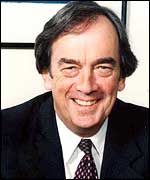
| | Thursday, 10 October, 2002, 14:07 GMT 15:07 UK 'Never again' says exams chief 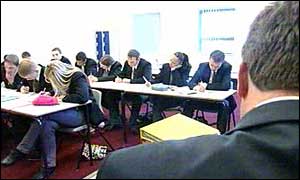 Some students and teachers have lost confidence The man now in charge of England's exams watchdog says the testing system needs overhauling - with teachers being trusted to do more assessment themselves.
Ken Boston took over as chief executive of the Qualifications and Curriculum Authority (QCA) just as the storm over A-level grades broke. "The difficult and confusing period we are passing through must never be allowed to happen again," he said at the QCA's annual conference in London. So he is planning a new "examinations taskforce" to set out in detail how exams should be delivered - and with it a new post of general manager of exams - to protect the "currently fragile examination system". Greater independence And he will be holding weekly forums on the QCA's website, in which he will answer questions from students and teachers.
He also argued that the QCA was not sufficiently independent or powerful, in the way that the schools inspectorate Ofsted or the financial regulator the FSA were. Dr Boston said he had arrived from Australia last month to find "with both surprise and dismay" that the performance of QCA had been called into question and that it was "embroiled in a controversy that has - fairly or unfairly - placed its credibility on the line". He expressed sympathy with students, their parents and teachers over the "anguish and uncertainty" over the grading of A-levels. Ongoing review More than 90,000 students are still in limbo, unclear whether their grades might change as a result of the review process set up by Mike Tomlinson, the former chief inspector of schools. He was asked to investigate by the Education Secretary, Estelle Morris, following complaints from head teachers that results had been downgraded. The vast majority of the exam units involved were set by the Oxford, Cambridge and RSA Examinations (OCR). If any grades finally are changed as a result of being reviewed, schools and colleges will be notified by post by next Tuesday.
Mr Tomlinson - the former chief inspector of England's schools - has described the system as "an accident waiting to happen", with confusion at all levels. Dr Boston said the QCA would produce an easy-to-understand "new generic statement on standards" by the end of the month. It would work with all the exam boards on how statistics of performance from previous years should be used to set grade boundaries. And it would also revise its code of practice on how students' grades related to the marks they score in their exams. Way forward Looking ahead, he said he shared the view of the Secondary Heads Association that internal assessment within schools should play a greater part in the examinations system.
"I find it difficult to understand why teachers in English schools should not be accorded the same degree of professional trust and responsibility as is enjoyed by the profession in other countries," he said. Speaking later at the conference, the School Standards Minister, David Miliband, said: "Government is open to this debate." And he said "we also face a challenge to ensure that not only is the process independent of ministers, but is seen to be so". "We approach this debate with humility and determination." He promised: "We will not shy away from discussing reform, but any reform will be based on a real consultation, maximising consensus and effective implementation, thereby ensuring the confidence and security of teachers, parents and pupils." Future for A-levels Mike Tomlinson's report had criticised the hurried implementation by ministers of the A-level changes - against the advice of exam experts including the QCA. Mr Tomlinson himself told the conference the second phase of his inquiry - due to report by next month - would consider almost every aspect of secondary school assessment, including whether "students are being over-examined". "We have to seriously consider whether actual A-level results should be the basis for higher education entry, rather than predicted grades being the basis for a provisional offer," he said. "If actuals were to be used then either A-levels - not AS - have to be completed earlier than now or the university year starts in January rather than the previous October." | |
Internet links:  The BBC is not responsible for the content of external internet sites Top Education stories now: Links to more Education stories are at the foot of the page. | |||||||||||||||||||||||||||||||||||||||||||||||||||||||||||||||||||||||||||||||||||||||||||||||||||||||||||||||||||||||||||||||||||||||
| |
|  E-mail this story to a friend E-mail this story to a friend |
| |
| Links to more Education stories |
| | | ||
 | ||||
 | | Back to top
| ||
| ---------------------------------------------------------------------------------- To BBC Sport>> | To BBC Weather>> | To BBC World Service>> ---------------------------------------------------------------------------------- © MMIII | News Sources | Privacy |