|
 |
 | | | | | | |||||||||||||||||||||||||||||||||||||||||||||||||||||||||||||||||||||||||||||||||||||
| | | You are in: UK: Education | |||||||||||||||||||||||||||||||||||||||||||||||||||||||||||||||||||||||||||||||||||||||
|
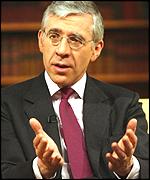
| | Tuesday, 27 August, 2002, 14:00 GMT 15:00 UK Straw regrets lack of languages 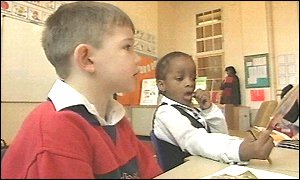 More primary pupils are to learn modern languages Pupils in the United Kingdom should have a better grasp of modern languages, said the Foreign Secretary, Jack Straw. Speaking to pupils in Edinburgh, Mr Straw said that he regretted his own lack of application to learning languages when he was at school. And he said that he was now trying to improve his French. "I feel quite strongly about this. In an otherwise unblemished career at school, I didn't properly pay attention to my languages.
"Since I have gone into government I have recognised that that's a deficit for me and I have been making efforts to improve my French. "The trap is to assume that people from other countries want to speak English to us, whereas, in fact, we get so much more out of a relationship with people if we speak their language. "We have got to do more to get more children to learn languages because the numbers have gone down." In England, a shake-up of the curriculum means that pupils will be able to drop modern languages at the age of 14. But the government has also set targets to introduce modern languges into the upper years of primary school. By 2010, every child from the age of seven upwards will be entitled to language lessons. Lagging behind And there will also be 200 more specialist modern languages schools for secondary pupils, to be created in the next three years. For many years, schools in England have been seen as lagging behind other European countries in teaching languages. In Germany it is compulsory to learn English from the age of seven. At the age of 12, pupils start a second language and at 14 a third language. In France pupils start a foreign language at nine - and in Italy language lessons begin at eight. But the government's ambitions to extend language teaching to younger pupils will depend on tackling a shortage of modern languages teachers. Modern languages courses in higher education have also come under pressure, with courses closing because of a lack of students. In Scotland, First Minister Jack McConnell said the Scottish Executive said that efforts were being made to reach pupils earlier. "One of the things we changed in Scotland last year was to move the emphasis away from forcing people who don't want to do a language to keep studying, to get more people at the age of nine and 10 to start learning languages. "That is absolutely critical. It's not a perfect solution, but it's a step in the right direction." | | See also:  22 Aug 02 | Education 11 Feb 02 | Education 08 Feb 02 | Education Top Education stories now: Links to more Education stories are at the foot of the page. | |||||||||||||||||||||||||||||||||||||||||||||||||||||||||||||||||||||||||||||||||||||
| |
|  E-mail this story to a friend E-mail this story to a friend |
| |
| Links to more Education stories |
| | | ||
 | ||||
 | | Back to top
| ||
| ---------------------------------------------------------------------------------- To BBC Sport>> | To BBC Weather>> | To BBC World Service>> ---------------------------------------------------------------------------------- © MMIII | News Sources | Privacy |