
|
 |
 | | | | | | ||||||||||||||||||||||||||||||||||||||||||||||||||||||||||||||||||||||||||||||||||||||
| | | You are in: UK: Education | ||||||||||||||||||||||||||||||||||||||||||||||||||||||||||||||||||||||||||||||||||||||||
|
| | Monday, 15 July, 2002, 12:57 GMT 13:57 UK Too few men in schools 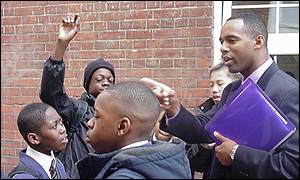 More men are needed in schools The number of men coming forward to teach in schools has fallen, researchers say. Analysis of figures from the Teacher Training Agency (TTA) found the proportion of male teachers in secondary schools had fallen from 43% to 36% over the five years the TTA has been compiling figures. Only 13% of new primary school trainees were men in 2000/01.
The number of maths graduates entering the teaching profession in England fell 7% in 2000/01 while science saw a 2.6% drop - this despite a government "golden hello" scheme which offers these graduates �4,000 to become teachers. The researchers found that only 38% of maths and 39% of foreign language teacher trainees had a "good degree" - an upper second or a first. By contrast, 65% of classics, 64% of history and 62% of new English teachers had a 2:1 or first class degree. But overall, recruitment to the profession was up 11.8% for primary and 2% for secondary, despite the falls in maths and science. Salary differences Professor Smithers said the dominance of women in teaching was down to the fact that they were more interested than men in working with people and the pay gap was not as wide as in other walks of life. "The salary is relatively more attractive to women compared with what she could get elsewhere," said Professor Smithers. He said maths and science graduates may be put off teaching by the fact that schools could be "chaotic" places. "A lot depends on what satisfaction people are looking for. In physical sciences, maths and modern languages, people are attracted by order and pattern. "Schools are full of varied people and are potentially chaotic. Teaching itself is more attractive to graduates in, say, humanities and you can see that in their qualifications," he said. | | See also:  22 Apr 02 | Education 04 Apr 01 | Education 07 Mar 01 | Education 18 Mar 02 | Education Internet links: The BBC is not responsible for the content of external internet sites Top Education stories now: Links to more Education stories are at the foot of the page. | ||||||||||||||||||||||||||||||||||||||||||||||||||||||||||||||||||||||||||||||||||||||
| |
|  E-mail this story to a friend E-mail this story to a friend |
| |
| Links to more Education stories |
| | | ||
 | ||||
 | | Back to top
| ||
| ---------------------------------------------------------------------------------- To BBC Sport>> | To BBC Weather>> | To BBC World Service>> ---------------------------------------------------------------------------------- © MMIII | News Sources | Privacy |





