|
 |
 | | | | | | |||||||||||||||||||||||||||||||||||||||||||||||||||||||||||||||||||||||||||||||||||||
| | | You are in: UK: Education | |||||||||||||||||||||||||||||||||||||||||||||||||||||||||||||||||||||||||||||||||||||||
|
| | Wednesday, 29 May, 2002, 10:58 GMT 11:58 UK Listening to students can improve a school School councils need careful support, experts say School councils - giving students a say in how their schools are run - are given a vote of confidence by researchers. They suggest that student councillors and their teachers feel the councils benefit the school as a whole. The youngsters involved also learn about society and citizenship as well as developing their personal skills. In a separate survey by BT and the charity Childline, only 47% of the children questioned said adults listened to what they said and acted on it. Most adults agreed it was important to listen to children, but only 57% said this happened. No guarantee The work on school councils was done by the National Foundation for Educational Research, examining in particular their impact on citizenship and personal and social education. Citizenship becomes a part of the national curriculum in England's secondary schools from this autumn. The research suggested a school council could make a significant contribution to the life of a school and to young people's experience of democratic processes and practices. Setting one up did not guarantee a positive outcome, though. "As with any other learning strategy, the context in which the council operates and its processes and practices need to be supported and kept under review in order to generate positive outcomes for students and for it to have an impact on the school," said the co-author of the study, Monica Taylor. Ownership So there needed to be a school-wide culture of consultation, respect for the views of students and staff, participation - and the possibility of change.
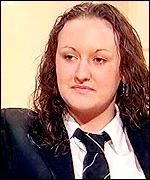
The findings were based on a phone survey of teachers leading school councils in 25 primary schools and 25 secondary schools across England and Wales. Fifteen-year-old Sophie Mills said the council worked at her school, Dagenham Priory Comprehensive in Essex. As an example, the top two years were now allowed out at lunchtimes, subject to their having dinner passes, she said. Wider benefits Karina Armitage, 12, from Prince Henry's Grammar School in Otley, West Yorkshire, said she and her friends also had concerns about life outside school - particularly the lack of safe places to play. Childline's Esther Rantzen said society as a whole could learn from listening to such concerns. She had been told by a policeman that street crime on his beat had fallen by 94% following the setting up of a basketball team in response to young people's demands. "It really can make an impact," she said. School councils are also a key aspect of the NSPCC's Full Stop campaign. It is working with teachers, parents and local government to promote school councils in all schools across the country. | | See also:  29 May 02 | UK Education Internet links: The BBC is not responsible for the content of external internet sites Top Education stories now: Links to more Education stories are at the foot of the page. | |||||||||||||||||||||||||||||||||||||||||||||||||||||||||||||||||||||||||||||||||||||
| |
|  E-mail this story to a friend E-mail this story to a friend |
| |
| Links to more Education stories |
| | | ||
 | ||||
 | | Back to top
| ||
| ---------------------------------------------------------------------------------- To BBC Sport>> | To BBC Weather>> | To BBC World Service>> ---------------------------------------------------------------------------------- © MMIII | News Sources | Privacy |