|
 |
 | | | | | | ||||||||||||||||||||||||||||||||||||||||||||||||||||||||||||||||||||||||||||||||||||||||
| | | You are in: UK: Education | ||||||||||||||||||||||||||||||||||||||||||||||||||||||||||||||||||||||||||||||||||||||||||
|
| | Friday, 24 May, 2002, 12:32 GMT 13:32 UK Schools 'abandon' languages Could language learning become a thing of the past? Schools are allowing pupils to drop out of compulsory foreign language lessons - before proposals to make them optional from age 14 come into force. The Association for Language Learning says up to 30% of schools plan to drop languages from September. In February the government unveiled its Green Paper consultation document on 14-19 education, which says the only compulsory subjects will be maths, English, science and information and communication technology (ICT).
Its president, Terry Lamb, spoke of one inner-city secondary school in Sheffield where, out of a year group of 300 pupils, just eight had chosen to do French and 16 to do German. While this was the worst case, Mr Lamb said the association's 30% figure may not reveal the true extent of the problem. "Of the 274 completed questionnaires we received, 20% were independent schools and specialist language colleges, so dropping languages would be out of the question for them. "Now this makes the 30% who are doing so even more significant." A subject for the elite Mr Lamb said the government's plans to allow pupils to drop languages at age 14 had serious implications for social inclusion. "The hope that schools will carry on with languages is flawed," he said.
"But, in more working class areas, subjects like ICT and food technology will seem much more important. "So then you're talking about language skills being for the elite," he warned. 'Horrified' Co-ordinator of the Nuffield language programme Alwena Lamping said the organisation was horrified by the findings, but not surprised. "It's all on the cards - we saw this coming. It's almost pre-empted the consultation process," she said. The government's proposals would have serious implications for university language departments and teacher supply and would create a "vicious circle" of decline, she said.
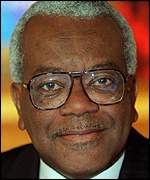
Sir Trevor McDonald, chairman of the Nuffield languages inquiry, expressed his shock at the government's plans. "What clearer message could there be that the government believes languages to be no more than an optional extra? "This would be a major setback to foreign language learning in this country," said Sir Trevor. A spokesman for the Department for Education said the Green Paper was in a consultation phase until the end of May and, at present, languages were still compulsory. "We expect all schools to respect that, " he said. Criticism In what many took to be an attempt to calm the storm the proposals caused, ministers also said language lessons would be introduced in primary schools. But the idea came in for widespread criticism. Plans to let pupils drop languages at 14 prompted the ambassadors to Britain from Germany, France, Italy and Spain to issue a joint plea for language teaching in England to be improved. And the cross-party Lords European select committee said modern foreign language learning should remain compulsory for all pupils until the age of 16 and should be introduced to pupils at the age of eight. | | See also:  11 Mar 02 | UK Education 08 Feb 02 | UK Education 11 Feb 02 | UK Education 10 May 00 | UK Education 26 Sep 01 | UK Education Internet links: The BBC is not responsible for the content of external internet sites Top Education stories now: Links to more Education stories are at the foot of the page. | ||||||||||||||||||||||||||||||||||||||||||||||||||||||||||||||||||||||||||||||||||||||||
| |
|  E-mail this story to a friend E-mail this story to a friend |
| |
| Links to more Education stories |
| | | ||
 | ||||
 | | Back to top
| ||
| ---------------------------------------------------------------------------------- To BBC Sport>> | To BBC Weather>> | To BBC World Service>> ---------------------------------------------------------------------------------- © MMIII | News Sources | Privacy |