|
 |
 | | | | | | ||||||||||||||||||||||||||||||||||||||||||||||||||||||||||||||||||||||||||||||||||||||||||||||||||||||||||||||||||||||||||||||||||||||||||||
| | | You are in: UK | ||||||||||||||||||||||||||||||||||||||||||||||||||||||||||||||||||||||||||||||||||||||||||||||||||||||||||||||||||||||||||||||||||||||||||||||
|
| | Thursday, 30 January, 2003, 00:07 GMT How the media covered up the scandal  Secret letters: Editors wrote to PM
 But in the months running up to Edward VIII's abdication in December 1936, the media hid the true extent of what was going on, an episode that those newspapers which still exist would rather forget.
One of the most complete records of the media's attitude towards the crisis appears in the papers of Sir Horace Wilson, a key Downing Street advisor. "During [the summer] there was practically no reference to [Mrs Simpson] in the English press, though gradually it was becoming evidence that her affairs were attractive to the press of the USA," he wrote. "There was some uneasiness at the inclusion of her name in the Court Circular, but her husband's name was also included and there was no outward sign of the mischief that was brewing."
In August some newspapers printed a photograph of the King's Mediterranean holiday party which included Mrs Simpson, but that was about as far as the reporting went. One weekly, Cavalcade, stuck its head over the parapet but the main national and provincial newspapers chose to ignore the story. According to Sir Horace, the Newspaper Proprietors Association (NPA) and the Newspaper Society arrived at a "gentlemen's agreement". "We knew, of course, that the newspapers were in possession of the stories ... but it was not until late in the day that we knew that they had decided to maintain an organised reticence." Deference to institutions Other documents suggest the reticence was not so much organised as born out of a sense of deference. For instance, one of the key figures in the crisis was Esmond Harmsworth (later the second Viscount Rothermere) of the press dynasty which owned the Daily Mail.
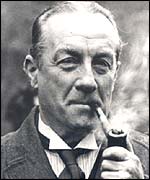
Despite the self-imposed silence, British people abroad sent press cuttings to their families at home. These articles were circulated, prompting readers to ask editors what was going on. Howell Arthur Gwynne of the Morning Post, one of the most senior Fleet Street editors, wrote to Mr Baldwin of the coming storm. "The newspapers of the whole world are busily engaged in recording every incident of the King's friendship for Mrs Simpson," he wrote. "Some have urged me as editor of a newspaper which is the staunchest supporter of the monarchical institutions to break what they term "the Great Silence". "In each case I have strongly urged on my friends the need for continued restraint and silence." He believed "that in such a delicate matter as this, the press should follow the government and not dictate to it." He concluded: "The arguments I have used in the course of my conversations with my journalistic friends are accepted as being weighty and reasonable. But each one has asked me the question: For how long?" The news finally broke across the British press on 1 December when the Yorkshire Post used a speech by the Bishop of Bradford on the King's "self-dedication" to question the monarch's recent behaviour. The London-based national newspapers had no choice but to follow the lead and the story finally made it to the front pages. BBC's role But it wasn't just the newspapers. Britain's only broadcaster at this time was the BBC. When the King suggested he address the nation, Prime Minister Baldwin made sure the BBC did as it was told.
The prime minister had no need to worry, as Sir Horace's memo revealed. "I have told Sir John Reith that he is to observe the arrangement [discussed] with him yesterday and that he is to take no action of any kind without direct authorisation from here," he reassured the Prime Minister. "Sir John understands that [the broadcast] is likely to take place but that the Prime Minister knows all about it and that it will only take place with his concurrence." A year after the abdication, the BBC was again impressed upon to do the government's bidding. The problem was whether or not British listeners should hear a proposed interview with the now Duke of Windsor recorded in the United States. In an exchange of letters with Sir Osmund Somers Cleverly, the prime minister's private secretary, Sir John Reith revealed he had acted on the government's fears. He had come to a "private understanding" with American national radio that its controllers would not offer the interview to the BBC, thereby avoiding placing it in an embarrassing situation. "In case the situation arises again, as I suppose it is likely to, we had better be prepared to deal with it," he wrote to Sir Osmund. "Have you any advice to give?" "It's all hypothetical," he replied. "Do you not agree that this is a fence the crossing of which might be delayed until it is in front of us?" | |
Internet links:  The BBC is not responsible for the content of external internet sites Top UK stories now: Links to more UK stories are at the foot of the page. | ||||||||||||||||||||||||||||||||||||||||||||||||||||||||||||||||||||||||||||||||||||||||||||||||||||||||||||||||||||||||||||||||||||||||||||
 | |
|  E-mail this story to a friend E-mail this story to a friend |
| |
| Links to more UK stories |
| | | ||
 | ||||
 | | Back to top
| ||
| ---------------------------------------------------------------------------------- To BBC Sport>> | To BBC Weather>> | To BBC World Service>> ---------------------------------------------------------------------------------- © MMIII | News Sources | Privacy |






 Some editors have urged me to break what they term 'the Great Silence' ... In each case I have strongly urged on my friends the need for continued restraint and silence