
|
 |
 | | | | | | ||||||||||||||||||||||||||||||||||||||||||||||||||||||||||||||||||||||||||||||||||||||||||||||||||||||
| | | You are in: UK | ||||||||||||||||||||||||||||||||||||||||||||||||||||||||||||||||||||||||||||||||||||||||||||||||||||||||
|
| | Tuesday, 19 November, 2002, 10:59 GMT ID cards: civic dream or Orwellian nightmare? 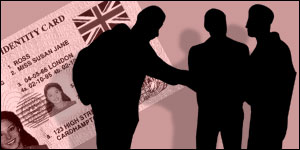
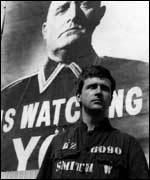
 On the other hand, if you call it an entitlement card, you are in tune with the vision of Tony rather than Eric Blair - an advocate of a society based on rights and responsibilities. So, who wants the cards to be introduced and why?
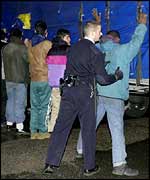
So far, around 1,200 replies have been received at the Home Office. Of those who support entitlement cards, the majority see the biggest advantage as the ability to access heath-related services without having to produce a hundred different documents. This enthusiasm appears to be linked to a belief that many recipients of services are getting benefits to which they are not entitled. No prizes for guessing that the finger is pointed most frequently at immigrants. Police checks Clearly there are vested interests rooting for cards to be introduced. Even though the carrying of a card would not be compulsory, the police believe it would make their job easier if they could check a person's identity in the street, say, using a hand-held reader. The banks - mindful that identity fraud costs the economy more than �1.3 billion a year - would like to see a more uniform means of identification so long as it is totally secure.
Under much the same pressures, the last Conservative government came close to introducing ID cards. The 1996 Queen's Speech promised a draft bill on a voluntary card based on the photo driving licence. The 1997 general election scuppered that plan though, in truth, the cost implications might well have done for it in any case. The Home Office says the cost of introducing an entitlement card would be between �1.3 and �3 billion - the higher estimate would be for a card incorporating state-of-the-art iris or fingerprint recognition. Picking up the cost But since the scheme would be self-financing, we would all have to fork out up to �15 more for a driving licence or passport, for example. Since the cost of a passport has only just risen, would we consider it money well spent ? You don't have to swallow the premise of the Steven Spielberg/Tom Cruise movie, Minority Report, to know that chip-based technology is developing at such a rate that things which were impossible even five years ago are now within grasp.
It's a fair point, though the success of electronic tagging and the introduction of terminals in around 40 prisons linking them to the Police National Computer prove that not everything technological is a disaster as soon as the bureaucrats get their hands on it. Home Secretary David Blunkett - a fervent advocate - says entitlement cards will help the needy access services from which some are wrongly excluded at the moment. Opposition parties and civil libertarians believe they will divide further an already fractured society and make us all - in the words of Liberty - "suspects not citizens". You have until 10 January 2003 to have your say. You can send your views to: Entitlement Cards Unit, Home Office, 50 Queen Anne's Gate, London SW1H 9AT; or by e-mail: [email protected] | |
See also:  04 Oct 02 | Technology 07 Sep 01 | UK Internet links: The BBC is not responsible for the content of external internet sites Top UK stories now: Links to more UK stories are at the foot of the page. | ||||||||||||||||||||||||||||||||||||||||||||||||||||||||||||||||||||||||||||||||||||||||||||||||||||||
| |
|  E-mail this story to a friend E-mail this story to a friend |
| |
| Links to more UK stories |
| | | ||
 | ||||
 | | Back to top
| ||
| ---------------------------------------------------------------------------------- To BBC Sport>> | To BBC Weather>> | To BBC World Service>> ---------------------------------------------------------------------------------- © MMIII | News Sources | Privacy |








 FORUM
FORUM Identity cards