|
 |
 | | | | | | |||||||||||||||||||||||||||||||||||||||||||||||||||||||||||||||||||||||||||||||||||||
| | | You are in: UK | |||||||||||||||||||||||||||||||||||||||||||||||||||||||||||||||||||||||||||||||||||||||
|
| | Saturday, 9 November, 2002, 05:22 GMT Demand soars for traffic calming  Schemes may have to wait years to be considered Most local councils are struggling to cope with the huge demand from people for traffic calming measures, according to new research. Eight out of 10 local authorities have a backlog of requests from the public, the campaign group Transport 2000 found.
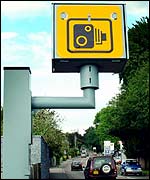
Demand for speed humps, road closures, safe routes to schools, pedestrian crossings, 20mph zones and residential zones is out-pacing supply. With hundreds of schemes waiting for approval many communities may have to wait years for their traffic calming scheme even to be considered, the pressure group said. Julia Samson, Streets for People co-ordinator for Transport 2000, said local authorities had to move faster on traffic calming. But she added: "They need to be taking a much harder look at traffic reduction measures, education about the consequences of speed and greater enforcement of speed limits. "The long-term aim should be to educate drivers to be considerate to other road users, so traffic calming is no longer needed." Fact pack On average each authority only manages to introduce 20 small scale traffic calming measures each year. Transport 2000 has launched a new fact pack to help speed up the process. Meanwhile the government is to examine the issue of so-called "sneakily sited" speed cameras after BBC Radio Five Live listeners compiled a list of those most difficult to spot. The Department for Transport has asked to see a copy of the list of difficult-to-spot speed traps. Camera partnership A Highways Agency spokesman said: "We will be contacting the local camera partnerships - involving police, local authorities and the Highways Agency - to raise this with them." Under the terms of a camera partnership, where proceeds from fines are put back into the scheme, cameras must be painted bright yellow and be clearly visible. There must also be warnings of their presence. "We have set out rules on visibility for cameras which are covered by our scheme, and we expect those rules to be kept," said the spokesman. The 'winner' in the BBC competition was a camera almost totally hidden behind a tree on the A23 towards Brighton in West Sussex. | | See also:  04 Nov 02 | England 14 Feb 01 | UK 14 Feb 00 | UK Top UK stories now: Links to more UK stories are at the foot of the page. | |||||||||||||||||||||||||||||||||||||||||||||||||||||||||||||||||||||||||||||||||||||
| |
|  E-mail this story to a friend E-mail this story to a friend |
| |
| Links to more UK stories |
| | | ||
 | ||||
 | | Back to top
| ||
| ---------------------------------------------------------------------------------- To BBC Sport>> | To BBC Weather>> | To BBC World Service>> ---------------------------------------------------------------------------------- © MMIII | News Sources | Privacy |