|
 |
 | | | | | | |||||||||||||||||||||||||||||||||||||||||||||||||||||||||||||||||||||||||||||||||||||||||||||||||||||||||
| | | You are in: UK | |||||||||||||||||||||||||||||||||||||||||||||||||||||||||||||||||||||||||||||||||||||||||||||||||||||||||||
|
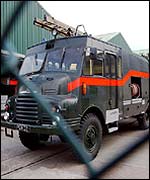
| | Tuesday, 3 September, 2002, 11:52 GMT 12:52 UK 1977: When Britain was on 'green alert' 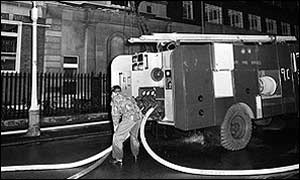 Many Green Goddess engines dated from the 1950s Worried at the prospect of the UK's firefighters going on strike? Well, it happened once before - in 1977 - and the country was plunged into a national emergency. When Britain's fire crews last walked out on national strike 25 years ago, members of the public were advised to take matters into their own hands. Although the armed services, with their so-called "Green Goddess" fire engines, were drafted in, they were seen by many as a last line of defence.
The London Fire Brigade issued its own 11-point safety guide, advising checking for smouldering cigarettes and leaving only essential electrical appliances like fridges plugged in. The strike began on 14 November and lasted for nine weeks, running through to the New Year. At the time fire fighters worked a basic 48-hour week, for which they were paid an average of �71.10, which amounted to �3,700 a year.
Indeed, reporting of the strike itself was restricted by the fact newspapers such as the Sun, the Daily Mirror and the Observer were put out of action by striking print workers and journalists. On 19 November, BBC television was blacked out by network engineers because of a dispute over pay awards. Out-dated equipment As firemen took to picket lines in front of their stations, 10,000 servicemen from the army, navy and air force stepped in as emergency cover. They were reinforced by part-time firemen who were not involved in the dispute.
They were maintained by the forces and held in reserve for national emergencies. And they were definitely not state of the art - many of them dating back to the early 1950s. They were however, immediately put to use. On only the second day of the walkout, the Daily Express splashed across its front page the story of how soldiers and Green Goddesses sprang into action to tackle a major fire at a hospital in London's East End. On that occasion at least, striking firemen put down their banners and raced to the scene in their own cars and on motorbikes. Struggling No one was hurt, but as the strike wore on stories emerged of how the over-stretched, inexperienced and poorly equipped stand-ins were struggling to stay on top of the job.
Andrew Stephen, a reporter for the Sunday Telegraph at the time, spent a day with a Green Goddess crew and described the trying conditions. "Everyone realises only too well that with their primitive equipment the soldiers will be hopelessly ill-equipped to deal with a big-fire," he wrote. Deal sealed "Despite the soldiers' excellent drill, valuable time is being lost before they are even told of a blaze. First a police patrol has to check if there is a fire."
The fire fighters finally agreed to settle for a 10% pay rise with guarantees of future increases and they went back to work on 16 January. Fire damage cost the insurance industry �117.5m compared to �52.3m during the same three months of the previous year. | |
Internet links:  The BBC is not responsible for the content of external internet sites Top UK stories now: Links to more UK stories are at the foot of the page. | |||||||||||||||||||||||||||||||||||||||||||||||||||||||||||||||||||||||||||||||||||||||||||||||||||||||||
| |
|  E-mail this story to a friend E-mail this story to a friend |
| |
| Links to more UK stories |
| | | ||
 | ||||
 | | Back to top
| ||
| ---------------------------------------------------------------------------------- To BBC Sport>> | To BBC Weather>> | To BBC World Service>> ---------------------------------------------------------------------------------- © MMIII | News Sources | Privacy |