
|
 |
 | | | | | | |||||||||||||||||||||||||||||||||||||||||||||||||||||||||||||||||||||||||||||||||||||||||||||||||
| | | You are in: UK | |||||||||||||||||||||||||||||||||||||||||||||||||||||||||||||||||||||||||||||||||||||||||||||||||||
|
| | Sunday, 18 August, 2002, 14:40 GMT 15:40 UK Parents advised over Holly and Jessica fears 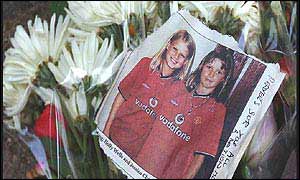 The missing girls' case received extensive coverage
But she added they must not duck difficult questions from their children out of fear of frightening them.
"If parents say to children, 'I am not going to let you out any more,' it makes them think the world is full of dangerous people," Ms Lindon told BBC News Online. "They must be told where the greater risks lie." Ms Lindon said it was important to remind children that the case of Holly and Jessica had received extensive media coverage "because it is so very unusual". "It does not take away from how scary it is to say it is very, very unusual. "Parents must try to hold on to that. It is tragic and frightening - but very rare." Dismissing a child's questions by telling them that it would 'never happen again,' would be equally damaging, said Ms Lindon.
"As a parent you need to answer the questions your children want to ask. "And even young children will see features and headlines, even if adults try to talk in low tones. "They are likely to ask what has happened or why did it happen. You must show you are willing to answer their questions." Parents must admit to their children that there are situations that they as adults find difficult to comprehend, Ms Lindon stressed. "Answer the questions they ask, even if you have to say, 'I do not know,' or, 'I do not understand'," she said. "It does not shock them. It helps them understand the adult world." Stranger danger Ms Lindon said some children under the age of six might need to be shielded from the more upsetting details of the case of Holly and Jessica. "There may be some things they should not see. You need to know your child. "And if the look on the child's face is one of horror, reassure them most adults are good to children." Equally, over-emphasising "stranger danger" could give children a false sense of security around people they may know, Ms Lindon warned. Back away "They think strangers are people you do not know at all who have nasty faces and grab you but other people must be all right. "But for most children who are harmed, it is by someone they know very, very well." Children must be told to judge all adults by their behaviour, Ms Lindon stressed. "If an adult makes you feel uncomfortable then the normal rules of politeness, 'Never run, never shout,' are lifted. "If the way they are behaving or what they are saying upsets you, it is OK to back away, leave or start saying, 'I don't want to'." | |   See also: 17 Aug 02 | UK Internet links: The BBC is not responsible for the content of external internet sites Top UK stories now: Links to more UK stories are at the foot of the page. | |||||||||||||||||||||||||||||||||||||||||||||||||||||||||||||||||||||||||||||||||||||||||||||||||
| |
|  E-mail this story to a friend E-mail this story to a friend |
| |
| Links to more UK stories |
| | | ||
 | ||||
 | | Back to top
| ||
| ---------------------------------------------------------------------------------- To BBC Sport>> | To BBC Weather>> | To BBC World Service>> ---------------------------------------------------------------------------------- © MMIII | News Sources | Privacy |






