|
 |
 | | | | | | |||||||||||||||||||||||||||||||||||||||||||||||||||||||||||||||||||||||||||||||||||||||||||
| | | You are in: UK | |||||||||||||||||||||||||||||||||||||||||||||||||||||||||||||||||||||||||||||||||||||||||||||
|
| | Wednesday, 7 August, 2002, 12:51 GMT 13:51 UK Mixing business with pleasure
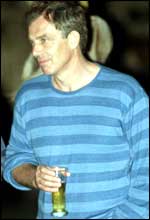
Be honest, if you were asked to attend a conference on the paradise island of Bali, what would spring to mind - the chance to plunge headfirst into your work or into the warm waters of the Indian Ocean? We will never know how Deputy Prime Minister John Prescott would have dealt with such a dilemma after he was dropped from a delegation travelling to the Indonesian island in May. Mr Prescott was blackballed by the government's communications director Alastair Campbell fearing the trip would be branded a junket by the press. Minister scrubbed Now, it seems, the same fate has befallen Mr Prescott's colleague Michael Meacher.
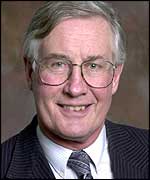
Again it seems the fear of headlines about junketing have prompted the move by Downing Street. But this time environmental groups have hit back claiming Mr Meacher's absence will seriously dent Britain's image. Generous offer Friends of the Earth has even offered to pay his air fare and accommodation, although it would mean he would not be travelling in the style to which ministers are normally accustomed. And when it comes to conferencing, isn't that half the point? Business travel, and conferences in particular, have never just been about hard graft.
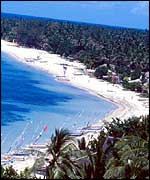
The Bali conference that Mr Prescott missed out on seems to be a case in point. Although the summit was simply designed to clear the way for the Johannesburg gathering, organisers did not stint. Official business centred on the island's luxury holiday spot of Nusa Dua, with its lagoons, coral reefs and white sand beaches. The British delegation stayed at the resort's Hyatt hotel, which is set in 40 acres of gardens, with waterfall-fed pools, five restaurants and six swimming pools. When challenged about the conference, environment secretary Margaret Beckett defended her team of civil servants, saying they worked "damned hard".
"By and large there's not much you get at a conference from a platform that you can't get from a piece of paper," says Mr Bray. "In my experience, 90% of conferences are about networking - meeting people and building relationships." Social programme That sort of work requires a social programme, which is where charges of junketing reach fever pitch. Golf figures highly, but organisers will also arrange sightseeing trips, visits to theatres and "dine arounds" - where delegates are divided into smaller groups for a restaurant booking.
Yet the rock and roll instincts of your average businessman have been dampened in recent times, says Mr Bray. "There's no doubt some organisations do mix ski trips with conferences, but there is a tendency for them to be shorter and pithier. Business travel budgets are being trimmed all over the place and if you are going to a conference at the moment you would have to make a very good case for it. Shorter stays "You get smaller teams travelling now and people jet in and jet out for a day and don't tend to linger."
And as with any travel issue, 11 September has had an impact as well. Companies, especially American firms, now think twice about putting staff on aeroplanes and teleconferencing in the US reportedly rose by 50% last year. Could the new found Puritanism in business put an end to the junket forever? | | See also:  06 Aug 02 | Politics Top UK stories now: Links to more UK stories are at the foot of the page. | |||||||||||||||||||||||||||||||||||||||||||||||||||||||||||||||||||||||||||||||||||||||||||
| |
|  E-mail this story to a friend E-mail this story to a friend |
| |
| Links to more UK stories |
| | | ||
 | ||||
 | | Back to top
| ||
| ---------------------------------------------------------------------------------- To BBC Sport>> | To BBC Weather>> | To BBC World Service>> ---------------------------------------------------------------------------------- © MMIII | News Sources | Privacy |