|
 |
 | | | | | | ||||||||||||||||||||||||||||||||||||||||||||||||||||||||||||||||||||||||||||||||||||||||
| | | You are in: UK | ||||||||||||||||||||||||||||||||||||||||||||||||||||||||||||||||||||||||||||||||||||||||||
|
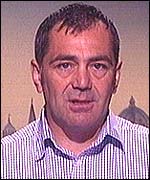
| | Saturday, 27 July, 2002, 13:46 GMT 14:46 UK Jail ruling 'no threat to order'  Other sanctions, like segregation, could be used The removal of the powers of prison governors to punish inmates by adding extra days to their sentence should not harm order in jails, former prison governor David Wilson has said. Mr Wilson, now professor of criminology at the University of Central England, told BBC News Online: "Actually I think this could be a benefit to the penal system. "All the studies show order is best kept when prisoners feel governors and staff are treating them fairly, and with justice.
"There's a variety of ways to discipline prisoners without resorting to the disciplinary code or adjudication process. "In fact, order is best established when your procedures are fair, equitable and you are doing nothing that's against the law. "The most important thing is to be visible, to communicate with prisoners, and to establish good systems." Scottish example He pointed out that Lord Woolf, the Lord Chief Justice and most senior judge in England and Wales, had himself spoken of the importance of balancing "control, discipline and justice" in prisons. "The proof of the pudding of this is in Scotland, which stopped adding days to sentences 12 months ago - there hasn't been a breakdown of order in Scottish prisons."
He denied that hundreds of prisoners being suddenly released into the community could be a threat to society at large. "It doesn't meant there's going to be thousands of dangerous prisoners rampaging around the countryside. 'Machismo' "You can get days added in prison for offences for which you wouldn't even have been fined in normal circumstances," he said. "It could be for showing disrespect to a prison officer, for refusing to go to work, for defacing a library book, for graffiti - even for taking an extra slice of bread."
But he said it had been reluctant to change its procedures, partly because it was an "incredibly conservative" institution which "moves at a snail's pace", and partly because of a deeply ingrained culture of "machismo". Some governors, he added, remained "desperate" to hang on to the power which they believed conferred a kind of status. He said weaker governors, who were possibly overly dependent on the power, "will have to stop and think hard" about alternative ways of keeping control and demonstrating solidarity with their staff. | | See also:  27 Jul 02 | UK Internet links: The BBC is not responsible for the content of external internet sites Top UK stories now: Links to more UK stories are at the foot of the page. | ||||||||||||||||||||||||||||||||||||||||||||||||||||||||||||||||||||||||||||||||||||||||
| |
|  E-mail this story to a friend E-mail this story to a friend |
| |
| Links to more UK stories |
| | | ||
 | ||||
 | | Back to top
| ||
| ---------------------------------------------------------------------------------- To BBC Sport>> | To BBC Weather>> | To BBC World Service>> ---------------------------------------------------------------------------------- © MMIII | News Sources | Privacy |