|
 |
 | | | | | | ||||||||||||||||||||||||||||||||||||||||||||||||||||||||||||||||||||||||||||||||||||||||||||||||||||||||||||||||||
| | | You are in: UK | ||||||||||||||||||||||||||||||||||||||||||||||||||||||||||||||||||||||||||||||||||||||||||||||||||||||||||||||||||||
|
| | Wednesday, 17 July, 2002, 09:22 GMT 10:22 UK A place for the victims 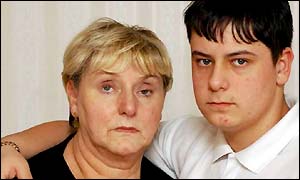 Ann Ming and grandson Kevin: Campaigning for victims
 Every day Ann Ming wakes up knowing someone has got away with the murder of her child. In 1989 her 22-year-old daughter, Julie Hogg, went missing near their home in Cleveland.
Dunlop was acquitted. Nine years later he confessed to the crime and was imprisoned for perjury. But he was not jailed for her murder because as the law of double jeopardy stands, Dunlop could not be tried twice for the killing. "We feel very let down by the system. We didn't realise what had hit us. We live and breathe our daughter's murder all the time. We simply can't find any closure," says Ms Ming. "The first glimmer of hope that we had was when I wrote to the Law Commission [the body that advises the government on legal reform] asking for changes to double jeopardy. "We felt we had a good response. My daughter had a right to life and it was taken away. If the system won't act to deal with this, we will take this all the way to the European court." Victims at the centre For years the Ming family were arguing from the outside. But on Wednesday, the government is expected to table legislation with, it says, people such as the Mings in mind.
Plans to scrap the double jeopardy rule are expected to be included in a White Paper drawn up by the Home Secretary, David Blunkett, which aims to put victims and their families at the centre of the criminal justice system. Professor Mike Hough, head of South Bank University's Criminal Policy Research Unit, says public expectations of the system are often quite different to the reality. "In general terms, the more people go into the criminal justice system, the less satisfied they become," says Mr Hough. And victims and families are actually more concerned with the process they have to go through, says Mr Hough, than with the sentencing of the defendant. "Care needs to be taken - in particular the arrangements when people are going to be seen by police and when they are due in court. "What is extremely frustrating is to find out that a case is adjourned or dismissed." Victims of a system? So are victims being forced to meet the needs of the system, rather than the other way around?
"Ten years ago, a solicitor may have easily won a two-week adjournment for a defendant. That has now been substantially cut, particularly in youth offending," says Mr Sach. "Victims' rights have enjoyed a higher profile but it is a difficult issue to address. What needs to happen is that victims need to be taken into account through subtle but important steps."
Secondly, there is the simple matter of a room for victims and witnesses within court buildings. Many are astonished to find such things don't generally exist. "That's not good enough. We need to ensure their safety outside of the court, before a case, on the way to a court and afterwards too." Families' representatives There are other groups who want to see far more done. The Victims of Crime Trust has called for families to be able to appoint their own lawyers to be part of the process. "We have to change the attitudes and laws that favour the perpetrators over the victims," says trust spokesman Clive Elliot. "Finally, the criminal justice system has realised that perpetrators have taken them for a ride."
"We're concerned that the government is effectively talking about one problem but tackling another," says Roger Bingham of human rights group Liberty "If you look at the things that really concern the public, it's problems of resources, quality of police investigations, the ability to detect crime. 'Logic jump' Mr Bingham predicts changes to double jeopardy will lead to substandard investigations because the police will always know that they can have a second chance. This, in turn, would lead to more anguish for victims, families and witnesses. But he predicts that the worst problems will come if the government allows "hearsay evidence". "This would lead to more people being convicted because they seem like the kind of person who have done it, rather than the person who actually did commit the crime," says Mr Bingham. "Whatever the government comes up with, it won't address the fundamental fact that according to its own figures 77% of crime is unsolved." | |
Internet links:  The BBC is not responsible for the content of external internet sites Top UK stories now: Links to more UK stories are at the foot of the page. | ||||||||||||||||||||||||||||||||||||||||||||||||||||||||||||||||||||||||||||||||||||||||||||||||||||||||||||||||||
| |
|  E-mail this story to a friend E-mail this story to a friend |
| |
| Links to more UK stories |
| | | ||
 | ||||
 | | Back to top
| ||
| ---------------------------------------------------------------------------------- To BBC Sport>> | To BBC Weather>> | To BBC World Service>> ---------------------------------------------------------------------------------- © MMIII | News Sources | Privacy |