|
 |
 | | | | | | ||||||||||||||||||||||||||||||||||||||||||||||||||||||||||||||||||||||||||||||||||||||||||||||
| | | You are in: UK | ||||||||||||||||||||||||||||||||||||||||||||||||||||||||||||||||||||||||||||||||||||||||||||||||
|
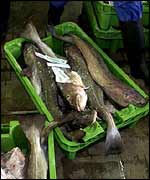
| | Wednesday, 29 May, 2002, 13:43 GMT 14:43 UK How not to get caught in the unethical fish trap Over-fishing has taken its toll on marine life around the globe, prompting Europe to slash its trawler fleet. But what can diners do to be fish-friendly? Pan-fried cod and skate wings in black butter have become staple dishes in many trendy UK restaurants and gastropubs. Great news for hungry diners, but not so great for the sea.
Eating seafood can be a minefield for the ethical consumer. Where, how and when a fish is caught dictates its environmental impact - and this information is seldom available on shop labels or menus. Every fish has a tale However, there is little danger that a fish set before you at one of Esther Boulton's tables will cost the earth. Following criticism that her pub - The Pelican in London's Notting Hill - couldn't really call itself organic since it served fish from dwindling stocks, Ms Boulton drew up a strict seafood policy.
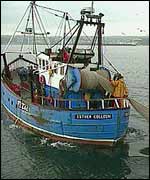
"Customer awareness about over-fishing is quite low, especially when compared to the public's knowledge of organic farming. But when we tell people about our fish policy they're always really interested," says Ms Boulton. While cod does get a look-in at The Pelican - if it can be sourced from certain grounds off Norway and Iceland - the fish policy has seen British catches such as John Dory, pollock and witch go on the menu. "Lots of diners have never had them before and need to ask what they taste like. It's good to encourage diversification and our chefs enjoy cooking whatever fish has come in." A sustainable fish supper does, of course, bump up your bill, but Essex-based supplier Ben Woodcraft says the market is growing. Saving fishermen "I began selling these fish because they're what the public seems to want. More people are becoming conscious of what they eat. It is more expensive, but you get what you pay for." Much of what Mr Woodcraft sells to businesses such as The Pelican comes from small day boats which operate just a few miles from the coast.
"Big firms with their factory ships and trawlers want to make as much money as possible. When the fish run out they'll invest in another business. For communities where sons, fathers and grandfathers have been fishermen, it's a way of life they want for the next generation." Day fishermen are the "last of the hunters" and are as concerned about the state of the seas as any environmentalist, Mr Woodcraft says. If consumers want to aid them and safeguard fish stocks, "they'll have to vote with their feet". Name that tuna That's often easier said than done, according to Bernadette Clarke of the Marine Conservation Society. Labelling in restaurants or at the fish counter is either non-existent or woefully inadequate, she says. "European Union regulations will soon see the area of capture and common name displayed on all fish packaging - but that's still too vague."
It may involve a bit of research and perhaps the foregoing of your favourite supper, but exercising the same care when buying fish as many do when hunting out free-range eggs may help repair the damage done to our seas, says Ms Clarke. "It's sad that we've managed to muck up such a bountiful resource through greed and bad management." | | See also:  28 May 02 | Europe 28 May 02 | Science/Nature 20 Jul 00 | UK 15 Dec 00 | UK 10 Nov 00 | UK Internet links: The BBC is not responsible for the content of external internet sites Top UK stories now: Links to more UK stories are at the foot of the page. | ||||||||||||||||||||||||||||||||||||||||||||||||||||||||||||||||||||||||||||||||||||||||||||||
| |
|  E-mail this story to a friend E-mail this story to a friend |
| |
| Links to more UK stories |
| | | ||
 | ||||
 | | Back to top
| ||
| ---------------------------------------------------------------------------------- To BBC Sport>> | To BBC Weather>> | To BBC World Service>> ---------------------------------------------------------------------------------- © MMIII | News Sources | Privacy |