|
 |
 | | | | | | ||||||||||||||||||||||||||||||||||||||||||||||||||||||||||||||||||||||||||||||||||||||||||||||||||
| | | You are in: UK | ||||||||||||||||||||||||||||||||||||||||||||||||||||||||||||||||||||||||||||||||||||||||||||||||||||
|
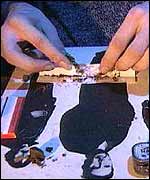
| | Thursday, 23 May, 2002, 09:48 GMT 10:48 UK Does anything prevent drug use? Rachel Whitear died alone with a syringe in her hand

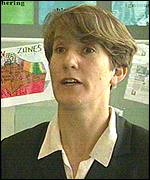
It has been damned by some drugs experts as misguided shock tactics, but praised as powerful and effective by some of the teachers who have watched it with their classes. Yet some in the classroom complain that the impact of educational tools such as the video are being undermined by those in Parliament and the police calling for a reassessment of the war on drugs. "What is confusing for our students is that there is a fad going in one direction then in another," says Alice Hudson, head teacher of Twyford High School.
But can high-profile initiatives such as Rachel's Story - even if coupled with a hard legal line on drug use - really dissuade potential users? Protecting Young People, a 1998 government report, admitted that gathering evidence on the effectiveness of prevention projects was difficult. "Almost all evaluations of programmes have been inconclusive in terms of perceived results in reducing or preventing drug use." In the three years following this report, some �57m has been pledged to bolster school and community prevention schemes - including projects to gauge the effectiveness of preventative action. Keen to experiment However, many drugs charities - and even the government - are resigned to the fact that often the anti-drugs message can may only delay a young person's first experience.
This argument has consigned the "Just Say No" tactics of the 1980s to the dustbin of drugs prevention history. Nancy Reagan's famous plea to American teens - echoed in the UK by the cast of the BBC children's series Grange Hill - may even have been counterproductive. "The kids aren't saying no," says Julie Holland, a New York psychiatrist and author of Ecstasy: The Complete Guide. "Saying that a drug is dangerous or forbidden is simply not enough when dealing with curious, novelty-seeking adolescents who often see themselves as invulnerable." In the UK, a report compiled for the Home Office found that young abstainers were content with drugs prevention message, while those who had already tried substances "were critical" of the tactic. Keep 'em busy But employing a combination of prevention techniques with the school-age young people - the group most at risk of substance abuse - can pay dividends even if would-be users are only temporarily dissuaded.
This can be achieved most simply by offering young people activities to fill time when they might otherwise be taking drugs. While a distinction needs to be drawn between so-called universal prevention (projects aimed at all young people, such as Rachel's Story) and selective prevention (targeting those in specific high-risk environments or with certain problems), some techniques can benefit even those young people keen to experiment with drugs. Self-esteem and life skills exercises, such as role playing, are intended to give children the confidence to withstand the peer pressure to take drugs. But, as the government has pointed out, "programmes which teach life skills may also help pupils to develop a range of coping strategies which can be used in a variety of other situations such as sexual behaviour and bullying." | | See also:  22 May 02 | UK Politics 21 May 02 | UK Education 22 May 02 | UK 21 May 02 | UK Education Top UK stories now: Links to more UK stories are at the foot of the page. | ||||||||||||||||||||||||||||||||||||||||||||||||||||||||||||||||||||||||||||||||||||||||||||||||||
| |
|  E-mail this story to a friend E-mail this story to a friend |
| |
| Links to more UK stories |
| | | ||
 | ||||
 | | Back to top
| ||
| ---------------------------------------------------------------------------------- To BBC Sport>> | To BBC Weather>> | To BBC World Service>> ---------------------------------------------------------------------------------- © MMIII | News Sources | Privacy |