|
 |
 | | | | | | |||||||||||||||||||||||||||||||||||||||||||||||||||||||||||||||||||||||||||||||||||||||||||
| | | You are in: UK | |||||||||||||||||||||||||||||||||||||||||||||||||||||||||||||||||||||||||||||||||||||||||||||
|
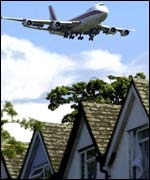
| | Tuesday, 21 May, 2002, 12:25 GMT 13:25 UK Would YOU live next to a Nimby? Demonstrators in Throckmorton Nimbys - those campaigners who proclaim Not In My Back Yard - raise big questions about which is more important: the common good or individual rights. But could they in fact be the same thing? Three-bedroom semi, off-street parking, 100ft garden, double glazing, in pleasant residential area close to local amenities and newly-opened foul-smelling tannery. With one eye on the estate agents' window, any self-respecting player of Property Price Poker is duty-bound to be interested in what is happening locally and what impact it might have on their lifestyle. Be it a new dual carriageway, an airport, or - in the case of Throckmorton, Newton and Bicester - accommodation centres for asylum seekers, householders can be among the toughest opponents of planning proposals.
In coming years, the demonstration may well be followed by people protesting against:
But consider those - or any other - protesters for a moment. Are they: A) plucky ordinary folk who are just standing up for themselves the same way anyone would? Or B) Nimbys, a jibe oozing with subtexts of accusations of preciousness, self-interest, hypocrisy and vanity.
The word was first recorded in 1980, but for a British audience it was the late Nicholas Ridley, an arch Thatcher-loyalist, who brought it to wider usage, in the late 80s. As environment secretary, Ridley had no fear in appearing abrasive. He was, after all, the man in charge of the poll tax.
At the root of distaste for Nimbys is a belief that the protesters are putting their own interests ahead of the needs of society, and that their objections are selfish rather than principled. It's an analysis which was only strengthened when Ridley himself was later revealed to be opposing the building of new houses which he would have been able to see from his Cotswold country home. Mike Haslam of the Royal Town Planning Institute maintains that Nimbyism is in no-one's interest. The reason property is expensive now, he says, is because people have opposed the building of new houses in the past. Nimbyism has cost everyone thousands.
"One of the slogans that came after the Rio Summit was Think Globally, Act Locally. Governments claim to want everybody to do that, and so far as the environment is concerned, where do you experience it? It's where you live.
Balancing collective and individual interests is the job of politics. Some people point to the French example where the common good is held up as a sufficient reason to ensure that big development projects such as airports and railway lines proceed. Others point out that if a house is compulsorily purchased in the UK, the owner will get 100% of its value: in France they would get 125%. Money can talk, they say. One difficulty for the protests against accommodation centres is that any public support from them could be undermined if they were to forget they are not campaigning against an airport or road. Many asylum seekers are vulnerable and traumatised. All are human beings. So the key to their success may well lie in being able to show not that the residents simply don't want asylum seekers in their area, but that the policy itself is misguided. Hence Toyah Willcox told reporters this week that the Throckmorton residents were not anti-asylum seekers and were not racists. In other words, although she didn't say it, they were not Nimbys. | | See also:  19 May 02 | England 14 May 02 | UK Politics Top UK stories now: Links to more UK stories are at the foot of the page. | |||||||||||||||||||||||||||||||||||||||||||||||||||||||||||||||||||||||||||||||||||||||||||
| |
|  E-mail this story to a friend E-mail this story to a friend |
| |
| Links to more UK stories |
| | | ||
 | ||||
 | | Back to top
| ||
| ---------------------------------------------------------------------------------- To BBC Sport>> | To BBC Weather>> | To BBC World Service>> ---------------------------------------------------------------------------------- © MMIII | News Sources | Privacy |