|
 |
 | | | | | | |||||||||||||||||||||||||||||||||||||||||||||||||||||||||||||||||||||||||||||||||||||||||||||||||||||||||||||||||||||||||||||||||||||||||||||||||||||||||||||||||||||||
| | | You are in: Technology | |||||||||||||||||||||||||||||||||||||||||||||||||||||||||||||||||||||||||||||||||||||||||||||||||||||||||||||||||||||||||||||||||||||||||||||||||||||||||||||||||||||||||
|
| | Thursday, 7 November, 2002, 00:31 GMT Microsoft takes the Tablet 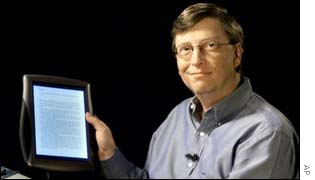 The Tablet PC has had a long gestation After years of development, Microsoft is unveiling a tablet computer controlled by a pen as well as a traditional mouse and keyboard. The software giant hopes the combination of pen input, handwriting recognition and smart screen, which can be written on like paper, will prove popular. It has a huge task on its hands because computer history is littered with failed ventures that tried to combine these technologies in a single package. On launch day, five computer makers will unveil versions of the Tablet PC. Write now Two different formats of Tablet PCs are expected to be produced. One looks like an ordinary laptop but its screen swivels round and flips over to let people write on it like a traditional paper notepad.
Next year, Microsoft will launch a Tablet which acts as a mobile input device for a PC that can be used in homes and offices with wireless networks. The launch day is expected to see Tablet PCs for UK users from Fujitsu, Toshiba, Acer, Hewlett Packard and Research Machines. Most have Bluetooth and wireless radio links built in. "It's a replacement for the laptop, not another device to sit alongside it," said Neil Laver, Windows product marketing manager in the UK. Both versions let people make notes on the screen into a new Windows Journal application that can either translate their handwriting into text or preserve it in its original form. "We expect the tablet laptop will become the default high-end laptop," said Mr Laver. The handwriting engine has been fed with hundreds of different styles of writing to make it recognise written text from switch on. Mr Laver said the software will recognise between 60 and 80% of written words at first switch-on. Added extras He added that the Digital Ink software that does the handwriting recognition and translation can be added to any existing Windows XP program.
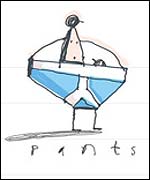
But he added that users will have to invest some time in getting used to new ways of working. "You do have to cross the rubicon to an extent and devote yourself to writing electronic notes," he said. "We think people will use this throughout the working day and if they have a wireless network they will use it strolling down the corridor," he said. Microsoft has enrolled Wallace and Gromit creators Aardman Animations to create a series of hand-drawn images that could eventually replace emoticons built out of punctuation marks. Losing hand At the launch Microsoft will reveal details of a project at the Royal Brompton Hospital in London that will use Tablet PCs to help speed up the movement of patient records and streamline some surgical procedures.
However, the price of the Tablet could deter many firms from adopting it. Early versions are expected to cost about �2000. This is much more than an average laptop and far more than a handheld. Despite Microsoft's ambitions, many companies before now have tried, and failed, to convert people to pen input and handwriting recognition. High-profile failures include the Apple Newton which was scrapped in 1998 and IBM's Crosspad which has also been cancelled. Other significant failures include Grid, Agilis, the Go Corporation, Eo, General Magic, Momenta and Zenith. One of the few handwriting recognition successes is the Palm handheld which works by forcing people to use a restricted alphabet. | |
See also:  13 Nov 00 | Science/Nature 11 Jun 01 | dot life 25 Sep 98 | Health 16 Jul 01 | dot life 04 Nov 02 | Business 08 Jun 00 | Business 30 Jul 02 | Health Internet links: The BBC is not responsible for the content of external internet sites Top Technology stories now: Links to more Technology stories are at the foot of the page. | |||||||||||||||||||||||||||||||||||||||||||||||||||||||||||||||||||||||||||||||||||||||||||||||||||||||||||||||||||||||||||||||||||||||||||||||||||||||||||||||||||||||
| |
|  E-mail this story to a friend E-mail this story to a friend |
| |
| Links to more Technology stories |
| | | ||
 | ||||
 | | Back to top
| ||
| ---------------------------------------------------------------------------------- To BBC Sport>> | To BBC Weather>> | To BBC World Service>> ---------------------------------------------------------------------------------- © MMIII | News Sources | Privacy |