
|
 |
 | | | | | | ||||||||||||||||||||||||||||||||||||||||||||||||||||||||||||||||||||||||||||||||||||||||||||||||||||||||||||||||||||||||||||||||||||||||
| | | You are in: Technology | ||||||||||||||||||||||||||||||||||||||||||||||||||||||||||||||||||||||||||||||||||||||||||||||||||||||||||||||||||||||||||||||||||||||||||
|
| | Tuesday, 20 August, 2002, 09:21 GMT 10:21 UK Linux battle becomes political 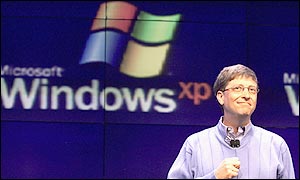 Lobby group backed by Microsoft Computer firms are falling out over the way that governments pick software for big projects. A new body called the Initiative for Software Choice has started lobbying governments over their use of so-called open source software. The group is backed by Microsoft and critics see it as an attempt to stifle governmental use of open source software. But the Initiative said it has only been set up to ensure fair play for all firms when bidding for government business. Free software For years proprietary software - developed by a single company - has dominated. By contrast, open source software is free to share, change or distribute.
The most well-known open source program is Linux that was originally created by Finnish programmer Linus Torvalds. Many governments like this software because it is cheap, has a ready source of experts to help with problems, runs on a huge variety of hardware and does not lock them into lengthy licence agreements. Some have even gone as far as to mandate the use of open source software in big projects. The Initiative for Software Choice (ISC) has been set up following concerns about favouritism being shown to open source in some countries. The ISC denies that it too has a bias towards its key supporter Microsoft and said it counted open source companies among its members. It said it was concerned only with maintaining neutrality in the way governments buy software. "It is extremely important that there is no bias established by any government," said an ISC spokesman. Biased buyer? The ISC mission statement suggests some governments have already established a bias. The statement states the ISC was formed amid "concerns that policy-makers, through government procurement policies, research funding or standards policies, may seek to favour one software development model over another". However, Microsoft declined to comment on what these concerns were or who was being favoured.
Open source evangelist Bruce Perens argued in an article for technology news site The Register that governments should be free to choose open source if they want and that doing so will offer greater choice to citizens. "Microsoft's new 'Software Choice' campaign is all for your right to choose, as long as you choose Microsoft," he wrote in the article. He has set up a website called Sincere Choice explaining his views. Open outcry Microsoft has been courting the open source community in recent times and was a surprise attendee at the Linuxworld Expo. It has even adopted a little of the open source philosophy, opening up some of its source code to scrutiny - although it is very much a 'look but don't touch' approach. Some government bodies around the world, notably in California and Peru, have adopted an aggressive attitude towards restricting the use of proprietary software and favouring open source. According to Dan Kusnetzky, vice president of software systems at analyst IDC, there are good reasons for governments doing this. "Open source is appealing to government bodies because of its high functionality, very low cost and easy compliance with licensing laws," he said. There are also good reasons for Microsoft to try to persuade governments to avoid open source software. "They genuinely feel they are the better choice," said Mr Kusnetzky. "When governments choose Microsoft as their foundation they are likely to select the whole suite of products to go with it rather than fight incompatibilities." In July the UK Government announced a new policy on the use of open source software which favours a pragmatic approach. "We will consider open source solutions alongside proprietary ones in IT procurements and award contracts on a value for money basis, seeking to avoid lock-in to proprietary IT products and services," said Douglas Alexander, Cabinet Office Minister of State. You can hear more about this story on the BBC programme Go Digital | | See also:  13 Aug 02 | Technology 08 Aug 02 | Technology 13 Aug 02 | Technology 15 Mar 02 | Science/Nature 08 Jan 02 | Science/Nature Internet links: The BBC is not responsible for the content of external internet sites Top Technology stories now: Links to more Technology stories are at the foot of the page. | ||||||||||||||||||||||||||||||||||||||||||||||||||||||||||||||||||||||||||||||||||||||||||||||||||||||||||||||||||||||||||||||||||||||||
| |
|  E-mail this story to a friend E-mail this story to a friend |
| |
| Links to more Technology stories |
| | | ||
 | ||||
 | | Back to top
| ||
| ---------------------------------------------------------------------------------- To BBC Sport>> | To BBC Weather>> | To BBC World Service>> ---------------------------------------------------------------------------------- © MMIII | News Sources | Privacy |






