
|
 |
 | | | | | | |||||||||||||||||||||||||||||||||||||||||||||||||||||||||||||||||||||||||||||||||||||||||||||||||||||||||||||||||||||||||||||||||||||||||||||||||||||||||||||||
| | | You are in: South Asia | |||||||||||||||||||||||||||||||||||||||||||||||||||||||||||||||||||||||||||||||||||||||||||||||||||||||||||||||||||||||||||||||||||||||||||||||||||||||||||||||||
|
| | Thursday, 9 January, 2003, 17:23 GMT Bangladesh winds down crime fight  Nearly 40,000 soldiers were deployed in October Bangladeshi authorities have ordered a partial pull out of troops from a controversial anti-crime drive launched in October.
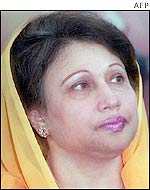
The came shortly after a presidential order gave troops immunity from prosecution for the deaths of suspects in custody. Opposition parties reacted angrily to the move and say they will protest. Human rights groups have criticised the army's involvement in anti-crime efforts, saying some 40 people have died in army detention since October. "Operation Clean Heart" is aimed at arresting "listed criminals", recovering illegal firearms and improving law and order. The government argues that the number of deaths has been exaggerated by its political opponents. It maintains that the victims died in hospital of heart attacks after being handed over to police. Rewarding soldiers President Iajuddin Ahmed signed the immunity ordinance after a special meeting of Prime Minister Khaleda Zia's cabinet on Thursday.
Afterwards, Law Minister Moudud Ahmed told the BBC that whatever happened during Operation Clean Heart could not be challenged in any court in Bangladesh. He said the cabinet had considered the overall situation and decided to give indemnity to the soldiers, who he said were playing a vital role in improving the law and order situation. The operation was launched after the government faced mounting criticism for failing to stop violent crime from rising. Mr Ahmed said the government regretted the deaths, but had no alternative to rewarding the soldiers who had helped the authorities to restore law and order. Concern Abdul Jalil, a leader of the opposition Awami League party, says the move is "against the people's fundamental rights" and counter to the spirit of the constitution. He says his party plans to protest against the ordinance, which protects soldiers from prosecution for action taken between 16 October and 9 January. The government says it will seek the approval of parliament when it reconvenes later this month. Meanwhile, the human rights group, Amnesty International, has expressed concern at the fate of a senior opposition figure, detained last month. "We urge the government to ensure Saber Hossain Chowdhury's safety and well being," Amnesty said in a statement on Thursday. On Monday, the High Court in Dhaka ordered the authorities to release Mr Chowdhury within 24 hours. But instead he was transferred from jail to police custody for interrogation. | | See also:  16 Dec 02 | South Asia 14 Dec 02 | South Asia 10 Dec 02 | South Asia 23 Nov 02 | South Asia 01 Nov 02 | South Asia 11 Mar 02 | South Asia 07 Mar 02 | Country profiles Internet links: The BBC is not responsible for the content of external internet sites Top South Asia stories now: Links to more South Asia stories are at the foot of the page. | |||||||||||||||||||||||||||||||||||||||||||||||||||||||||||||||||||||||||||||||||||||||||||||||||||||||||||||||||||||||||||||||||||||||||||||||||||||||||||||||
 | |
|  E-mail this story to a friend E-mail this story to a friend |
| |
| Links to more South Asia stories |
| | | ||
 | ||||
 | | Back to top
| ||
| ---------------------------------------------------------------------------------- To BBC Sport>> | To BBC Weather>> | To BBC World Service>> ---------------------------------------------------------------------------------- © MMIII | News Sources | Privacy |




 We urge the government to ensure Saber Hossain Chowdhury's safety