|
 |
 | | | | | | |||||||||||||||||||||||||||||||||||||||||||||||||||||||||||||||||||||||||||||||||||||||||||||||||||||||||||||||||||||||||||||||||||||||||||||||||||||||||||||||||||||||||
| | | You are in: South Asia | |||||||||||||||||||||||||||||||||||||||||||||||||||||||||||||||||||||||||||||||||||||||||||||||||||||||||||||||||||||||||||||||||||||||||||||||||||||||||||||||||||||||||||
|
| | Tuesday, 1 October, 2002, 12:55 GMT 13:55 UK Bangladesh tells TV chief to leave 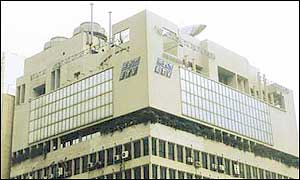 ETV was Bangladesh's first independent broadcaster
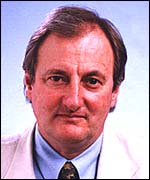
A British journalist who headed Bangladesh's first independent television station is to leave Dhaka after the government cancelled his visa and work permit.
On Monday, a case was filed against Mr Dring and three other executives of Ekushey Television accusing them of fraud. The case was filed by a film producer, who said he was not paid for one of his films which was broadcast by ETV. Police began investigating the allegations, but in the meantime Mr Dring made preparations to leave Dhaka. A spokesperson for ETV told the BBC that Mr Dring would leave Dhaka at 2200 local time (1600 GMT). Independent sector His deportation marks the end of the short-lived history of independent broadcasting in Bangladesh, which began with the launching of Ekushey Television in April 2000.
It was Bangladesh's first and only private terrestrial television, which got a licence under the previous Awami League government. But immediately after the government of Prime Minister Khaleda Zia came to power, ETV faced a difficult time. The validity of its broadcasting licence was challenged by supporters of the ruling coalition. The Supreme Court cancelled the licence in August this year after lengthy legal procedures. Ekushey Television went off the air the same day, after the government shut down its transmission facilities. 'Objective' ETV always said its news and current affairs coverage was neutral and objective, but the ruling Bangladesh Nationalist Party believed it was biased against them. On Monday, Simon Dring was given a farewell reception, at which many of Bangladesh's leading cultural personalities were present. Mr Dring told the audience that he intended to return to Bangladesh again in the future. He said this was the second time he was being deported from Dhaka. In 1971, during the Bangladesh war of independence, Simon Dring was deported from Dhaka along with other western journalists who were reporting on the atrocities carried out by the Pakistani army in the then East Pakistan. Simon Dring said that for many Bangladeshis, Ekushey television was a window onto the outside world. He said people would miss it as they now had no choice, with state-run Bangladesh television remaining the only terrestrial channel. | | See also:  29 Aug 02 | South Asia 27 Mar 02 | South Asia 20 May 02 | South Asia 25 Mar 02 | South Asia Internet links: The BBC is not responsible for the content of external internet sites Top South Asia stories now: Links to more South Asia stories are at the foot of the page. | |||||||||||||||||||||||||||||||||||||||||||||||||||||||||||||||||||||||||||||||||||||||||||||||||||||||||||||||||||||||||||||||||||||||||||||||||||||||||||||||||||||||||
| |
|  E-mail this story to a friend E-mail this story to a friend |
| |
| Links to more South Asia stories |
| | | ||
 | ||||
 | | Back to top
| ||
| ---------------------------------------------------------------------------------- To BBC Sport>> | To BBC Weather>> | To BBC World Service>> ---------------------------------------------------------------------------------- © MMIII | News Sources | Privacy |