|
 |
 | | | | | | |||||||||||||||||||||||||||||||||||||||||||||||||||||||||||||||||||||||||||||||||||||||||||||||||||||||||||||||||||||||||||||||||||||||||||||||||||||||||||||||||||||||||||||||||||||
| | | You are in: South Asia | |||||||||||||||||||||||||||||||||||||||||||||||||||||||||||||||||||||||||||||||||||||||||||||||||||||||||||||||||||||||||||||||||||||||||||||||||||||||||||||||||||||||||||||||||||||||
|
| | Saturday, 14 September, 2002, 12:48 GMT 13:48 UK Kashmir's troubled election 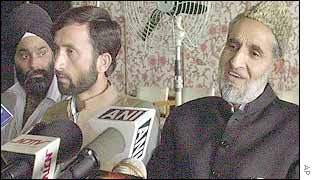 Only a few parties say they will take part
International credibility is very important and, with the Kashmir dispute being headline news for most of the past eight months, the profile of this troubled corner of the world is very high. At the last State Assembly elections in Kashmir in 1996, there was a widespread boycott of the polls.
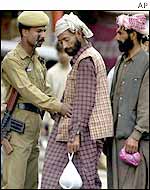
There were no accurate records of electorate numbers, but the outcome gave plenty of evidence for critics of the Indian Government to claim that the polling results were not a true record of the wishes of the people of Kashmir. There was also evidence of people being rounded up by Indian security forces and taken to polling booths. Boycott The separatist alliance of groups who do not want Kashmir to be part of India - the All Party Hurriyat Conference - have come under pressure from the government to participate in this round of elections.
But the Hurriyat has decided to opt out, claiming they feared the votes would be rigged. The Hurriyat also sees no "bigger picture" to the political future of Kashmir. The elections could be stage one in a process, but they accuse the Indian Government of not having a long-term strategy for Kashmir. So they do not want to sign up to what many regard as a sham election. Credibility
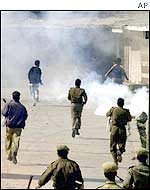
Over the past few weeks attacks carried out in Kashmir by suspected Islamic militants have been portrayed as attempts to frighten potential voters and deter them from taking part.
India has said anyone is welcome to come, on a tourist visa, and have a look at what is going on. But there is no role for appointed foreign election observers. India says it is a mature democracy (as well as being the largest one in the world) and does not need to be subject to international scrutiny. Issues It is an easy mistake to assume that the election will be fought only over the "Kashmir question" - its political status in India and the struggle with Pakistan.
But other voters will be looking at much more pressing local issues: jobs, investment, economic aid and human rights. As elections loom, the National Conference - a member of the governing coalition of India, the National Democratic Alliance - always tries to put some distance between itself and the main party of the alliance, the Hindu nationalist BJP. The president of the National Conference Party, Omar Abdullah, told the BBC he thinks India has underestimated the human rights grievances that many Kashmiris feel towards central government. Turn-out Mr Abdullah, who is also a minister in the national government, says this issue is one of the biggest hindrances to legitimate government in Kashmir.
Some Kashmiris feel they are victims of "an occupying army". But Kashmir is not just "the Kashmir Valley". The state is not entirely populated by Kashmiri Muslims. They make up 64% of the population (33% are Hindus and 3% are Buddhists). But it is how the Kashmiri Muslims vote - indeed whether they vote - that will be most closely watched in the coming weeks. | |
See also:  13 Sep 02 | South Asia 20 Aug 02 | South Asia 19 Aug 02 | South Asia 02 Aug 02 | South Asia 17 Jun 02 | South Asia 11 May 02 | South Asia Internet links: The BBC is not responsible for the content of external internet sites Top South Asia stories now: Links to more South Asia stories are at the foot of the page. | |||||||||||||||||||||||||||||||||||||||||||||||||||||||||||||||||||||||||||||||||||||||||||||||||||||||||||||||||||||||||||||||||||||||||||||||||||||||||||||||||||||||||||||||||||||
| |
|  E-mail this story to a friend E-mail this story to a friend |
| |
| Links to more South Asia stories |
| | | ||
 | ||||
 | | Back to top
| ||
| ---------------------------------------------------------------------------------- To BBC Sport>> | To BBC Weather>> | To BBC World Service>> ---------------------------------------------------------------------------------- © MMIII | News Sources | Privacy |