|
 |
 | | | | | | ||||||||||||||||||||||||||||||||||||||||||||||||||||||||||||||||||||||||||||||||||||||||||||||||||||||||||||||||||||||||||||||||||||||||||||||||||||||||||||||||||||||||||||||||||||||||||||||||||||||
| | | You are in: South Asia | ||||||||||||||||||||||||||||||||||||||||||||||||||||||||||||||||||||||||||||||||||||||||||||||||||||||||||||||||||||||||||||||||||||||||||||||||||||||||||||||||||||||||||||||||||||||||||||||||||||||||
|
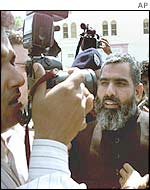
| | Tuesday, 16 July, 2002, 16:58 GMT 17:58 UK Analysis: Pearl trial doubts remain 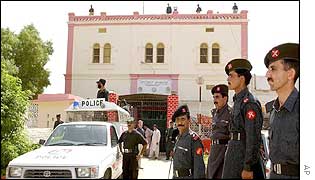 The trial was moved because of security concerns
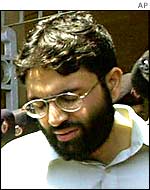
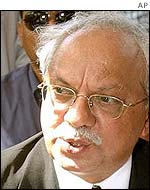
Those familiar with Pakistan's anti-terrorism law will not be surprised at the sentence given to Ahmed Omar Saeed Sheikh and his co-accused for the kidnapping and murder of the US journalist Daniel Pearl. The death penalty is mandatory for kidnapping and murder, as is life imprisonment for those involved in a conspiracy to commit such crimes. Omar Sheikh's lawyer has already said he will challenge the verdict in the high court - a right given under the anti-terrorism law.
And his legal team certainly have a number of legal points that can be raised in an appeal. Though the suspects had a history of involvement in militant activities, and did not hide their extremist views, defence lawyers and human-rights groups say the manner in which the authorities conducted the trial raises many question about its fairness. Perhaps the most controversial decision was to hold the trial behind close doors. Even though the case was about the murder of a reputable foreign journalist, at no time were reporters allowed to cover the proceedings. Pakistan's anti-terrorism law specifically states that the entire process should be complete within seven days, but the Pearl murder case went on for more than three months. Not just that, but during this period, the trial judge and the venue were changed three times. Trial in prison Initially, the trial was to be held in an open court, but on the request of the prosecution, which raised security concerns, the venue was shifted inside Karachi's central prison. A few days later, the trial judge, Arshad Noor, had to be replaced following objections by defence lawyers that he was not impartial. Then the prosecution approached the high court, asking to replace the new judge, Abdul Ghafoor Memon, and to shift the case out of Karachi.
The prosecution said the four accused had been making threatening gestures towards the witnesses and government lawyers, and the trial judge was unable to stop them. A new trial judge, Ali Ashraf Shah, was appointed and the venue was shifted to the highly fortified prison in the city of Hyderabad, about 150 kilometres from Karachi. And it was here that the trial was completed and the verdict announced. Initially the prosecution told the court that it would produce more than 50 witnesses. But later, that number was drastically cut down, and only a handful of people appeared from the government side to testify. Among them was an FBI agent, who gave his opinion on the way computers and the internet were used by Pearl's captors to send his photographs and other messages. But interestingly, the complainant in the case, Pearl's widow, Marianne, did not appear, as she had left the country and given birth to a child.
On the request of the prosecution, the court made an extraordinary concession and excused her from appearance. Chief prosecutor Raja Quereshi had remained confident from the very start of the case about getting a favourable verdict. But during the trial, the defence maintained that the prosecution's evidence was weak, and that testimony given by some of the witnesses was contradictory. 'Tissue of lies' The main accused, Omar Sheikh, described the evidence against him as "a tissue of lies", and said it had been fabricated "to please the Americans". But it was also Omar Sheikh who on his first appearance at the preliminary hearing had loudly stated that he believed Pearl was dead. And this statement was made even before the video tape confirming Pearl's murder was received by the US authorities. Perhaps the weakest link in the prosecution's case was its inability to discover Pearl's body or a murder weapon. During the course of the trial, police found a body on the outskirts of Karachi that was thought to be Pearl's. US pressure But after more than a month, the prosecution is still unable to confirm if the body was that of the slain journalist. Apparently one of the main reasons for proceeding with the trial in Pakistan was because of the mounting pressure from the United States. In the US, a grand jury had also indicted Omar Sheikh, not only on the charge of murdering Pearl, but also for the kidnapping of some foreign tourists - including an American - in India a few years ago. Even though the verdict in the Pearl case has been announced, the matter is far from over. Pakistan's anti-terrorism law provides two rights of appeal, first in the high court and then before the Supreme Court. It may take several more months, if not years, before the final outcome of the Pearl murder case is known. | | 

See also: 15 Jul 02 | Politics 11 Jul 02 | South Asia 21 Jun 02 | South Asia 10 Jul 02 | South Asia 28 Mar 02 | South Asia 15 Jul 02 | South Asia Internet links: The BBC is not responsible for the content of external internet sites Top South Asia stories now: Links to more South Asia stories are at the foot of the page. | ||||||||||||||||||||||||||||||||||||||||||||||||||||||||||||||||||||||||||||||||||||||||||||||||||||||||||||||||||||||||||||||||||||||||||||||||||||||||||||||||||||||||||||||||||||||||||||||||||||||
| |
|  E-mail this story to a friend E-mail this story to a friend |
| |
| Links to more South Asia stories |
| | | ||
 | ||||
 | | Back to top
| ||
| ---------------------------------------------------------------------------------- To BBC Sport>> | To BBC Weather>> | To BBC World Service>> ---------------------------------------------------------------------------------- © MMIII | News Sources | Privacy |





 68.93%
  31.07%