|
 |
 | | | | | | ||||||||||||||||||||||||||||||||||||||||||||||||||||||||||||||||||||||||||||||||||||||||||||||||||||||||||||||||||||||||||||||||||||||||||||||||||||||||||||||||||||||||||||||||||||||||||||||||||||||||||||||||||||||||||
| | | You are in: South Asia | ||||||||||||||||||||||||||||||||||||||||||||||||||||||||||||||||||||||||||||||||||||||||||||||||||||||||||||||||||||||||||||||||||||||||||||||||||||||||||||||||||||||||||||||||||||||||||||||||||||||||||||||||||||||||||||
|
| | Saturday, 1 June, 2002, 16:03 GMT 17:03 UK Musharraf: Nuclear war unthinkable Thousands of troops have massed in Kashmir Pakistani President Pervez Musharraf has played down fears of a nuclear war with India, saying he did not believe either side would fire its missiles.
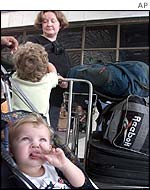
"I would even go to the extent of saying one shouldn't even be discussing these things, because any sane individual cannot even think of going into this unconventional war, whatever the pressures," he said. However, the United Nations has begun withdrawing its staff's families from Pakistan and India as a "precautionary measure" in light of the danger posed by the current stand-off between the two nuclear-capable states over Kashmir. Several western countries have already advised dependents and non-essential staff to leave both Pakistan and India. Mediation efforts Pakistan's Information Minister Nissar Memon said he was saddened by the UN's decision, which was taken at its New York headquarters.
The US is sending Defence Secretary Donald Rumsfeld to the region and Russian President Vladimir Putin hopes to bring the two sides together at a meeting in Kazakhstan next week. Mr Memon blamed what he called the media hype about a possible nuclear war for causing widespread fear.
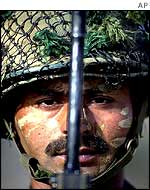
"We've called for a no-war pact with India, that there shouldn't be any war," he said. "We've called for de-nuclearisation of South Asia, so we've called for reduction of forces." About one million soldiers are massed on either side of the Line of Control which divides Kashmir between Pakistan and India. The president warned however, that if India attacked, Pakistan would respond robustly. Fears of war have been growing since a militant attack on an Indian army camp in the state of Jammu and Kashmir killed more than 30 people. But General Musharraf rejects Indian accusations that his country sponsored the attacks, saying he "would fight militancy in any form". However, he gave his support for what he called the Kashmiris' "genuine freedom struggle". Scaling-down The decision to withdraw UN families has had a mixed reaction in Islamabad, the BBC's Susannah Price reports. One diplomatic source said UN employees did not want their families to go and blamed pressure from western countries.
Many countries had already warned their citizens to keep away from Pakistan and this week, thousands of foreign nationals from several countries were also advised to leave India. France, which last week advised its citizens to leave Pakistan, on Saturday recommended that they should also leave India. Britain and other Western countries have already scaled down their operations in Pakistan following attacks, or threats of attacks, by Islamic militants. The BBC's Adam Mynott in Delhi says many Britons, including high commission staff, are expected to leave the Indian capital later on Saturday. | |
See also:  01 Jun 02 | South Asia 01 Jun 02 | South Asia 01 Jun 02 | UK Politics 31 May 02 | South Asia 30 May 02 | South Asia 29 May 02 | South Asia 28 May 02 | South Asia Internet links: The BBC is not responsible for the content of external internet sites Top South Asia stories now: Links to more South Asia stories are at the foot of the page. | ||||||||||||||||||||||||||||||||||||||||||||||||||||||||||||||||||||||||||||||||||||||||||||||||||||||||||||||||||||||||||||||||||||||||||||||||||||||||||||||||||||||||||||||||||||||||||||||||||||||||||||||||||||||||||
| |
|  E-mail this story to a friend E-mail this story to a friend |
| |
| Links to more South Asia stories |
| | | ||
 | ||||
 | | Back to top
| ||
| ---------------------------------------------------------------------------------- To BBC Sport>> | To BBC Weather>> | To BBC World Service>> ---------------------------------------------------------------------------------- © MMIII | News Sources | Privacy |