|
 |
 | | | | | | |||||||||||||||||||||||||||||||||||||||||||||||||||||||||||||||||||||||||||||||||||||||||||||||||||||||||||||||||||||||||||||||||||||||||||||||
| | | You are in: Science/Nature | |||||||||||||||||||||||||||||||||||||||||||||||||||||||||||||||||||||||||||||||||||||||||||||||||||||||||||||||||||||||||||||||||||||||||||||||||
|
| | Sunday, 16 February, 2003, 00:17 GMT Foes urged to spare Iraq's wildlife  Victim of the 1991 war: A greater flamingo (Image: Colin Mills/BirdLife International)
BirdLife International has sent the UN Security Council and the Iraqi Government details of the main environmental threats from a war. It says the impacts would affect local people, and would persist for a long time afterwards. BirdLife is urging potential combatants to avoid deliberately targeting or damaging globally important wildlife and habitats. It has sent a dossier of information, maps and photographs to the government in Baghdad and to the five UN Security Council permanent members - China, France, Russia, the UK and the US. The dossier, which explains the environmental threats to people and sites, has also gone to the UN Environment Programme (Unep), and is available on the internet. BirdLife is a global alliance of non-governmental national conservation organisations, and works in more than 100 countries. Icon of conflict Its director, Dr Michael Rands, said: "Until recently the impact of war on nature has often been ignored or obscured by the conflict itself. "As the 1990-1991 Gulf war showed, such conflicts have devastating effects on the environment, biodiversity and the quality of life of local people long after the cessation of hostilities.
BirdLife's dossier is based on the environmental damage reported in 1991, and on data from the more recent conflicts in the Balkans and Afghanistan. It identifies several risks to natural habitats, which will also affect people:
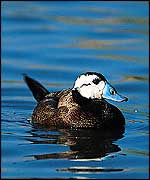
Record destruction Mike Evans visited the Gulf for BirdLife in 1991. He said: "Waders and waterbirds will be particularly at risk from oil spills.
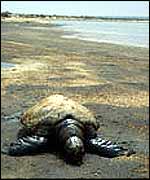
BirdLife says the 1991 war saw "by far the largest marine oil spills in history, with six to eight million barrels of crude oil spilled, severely polluting 560 kilometres (350 miles) of coast, and totally obliterating intertidal ecosystems". Iraq is home to one endemic wetland bird, the Basra reed warbler, and to five endemic or near-endemic marshland sub-species. It has 42 important bird areas, and the Mesopotamian marshes endemic bird area. Expropriated people BirdLife says the marshes shrank between 1991 and now from 15,000 sq km (3.7m hectares) to about 50 (12.25 thousand ha). The deliberate destruction of the marshes by Iraq, according to Unep, was devastating, "with significant implications for global biodiversity from Siberia to southern Africa". The bandicoot rat and a sub-species of otter are believed to have been driven to extinction as a result. On the human scale, the Ma'dan people who have lived in the marshes for 5,000 years have lost their traditional homeland. | | See also:  16 May 01 | Science/Nature 13 Mar 01 | Science/Nature 04 Aug 00 | Middle East Internet links: The BBC is not responsible for the content of external internet sites Top Science/Nature stories now: Links to more Science/Nature stories are at the foot of the page. | |||||||||||||||||||||||||||||||||||||||||||||||||||||||||||||||||||||||||||||||||||||||||||||||||||||||||||||||||||||||||||||||||||||||||||||||
 | |
|  E-mail this story to a friend E-mail this story to a friend |
| |
| Links to more Science/Nature stories |
| | | ||
 | ||||
 | | Back to top
| ||
| ---------------------------------------------------------------------------------- To BBC Sport>> | To BBC Weather>> | To BBC World Service>> ---------------------------------------------------------------------------------- © MMIII | News Sources | Privacy |