|
 |
 | | | | | | |||||||||||||||||||||||||||||||||||||||||||||||||||||||||||||||||||||||||||||||||||||||||||||||||||||||||||||||||||||||||||||||||||||||||||||||||||||||||||||||||
| | | You are in: Science/Nature | |||||||||||||||||||||||||||||||||||||||||||||||||||||||||||||||||||||||||||||||||||||||||||||||||||||||||||||||||||||||||||||||||||||||||||||||||||||||||||||||||||
|
| | Monday, 3 February, 2003, 11:37 GMT Space station's future in doubt  Difficult decisions lie ahead over the ISS
Until now, trips by astronauts to and from the orbiting platform had become an almost routine event.
The US had already put a freeze on future contributions, causing concern among international partners and calls from Europe for crew sizes to be increased. Nasa has said this is currently impossible because the station's emergency escape craft - a Russian Soyuz - can carry only three astronauts. Others argue, however, that the ISS can only realise its potential as a scientific lab if there are extra crew members to carry out experiments. International prestige Nasa is by far the biggest spender in space - accounting for 80% of all space research funding in the world.
The US has driven the evolution of the ISS and must now question its commitment. Pulling out would be a huge blow for America's pride and for the future of the half-built station. This is considered a remote possibility, given Nasa's massive investment in the venture. Esa has said it is too early to comment on the future of the ISS. It said in a statement that it shared the grief that struck Nasa and the whole space community. The agency had hoped to fly several European astronauts to the station this year. The flight of the first, scheduled for July, is under review. Evacuation plan There is no immediate concern for the three crew members currently living and working on the station. They can be brought back to Earth or receive deliveries, from Soyuz and Progress craft launched by Russia's space agency. However, budget problems mean Russia is able to make only occasional and brief visits to the ISS. One option is to bring the current crew back to Earth, and leave the ISS unoccupied for a while. This was the case in the early days of the station and should be possible again. Its orbit would need to be boosted from time to time to keep it from drifting back towards Earth. This has been done until now by the shuttle but experts say it could be carried out, if necessary, by a modified Russian craft. What is certain is that all construction work on the platform will come to an immediate halt - the shuttle has been the mainstay for getting new components up into orbit to extend the station. With the US shuttle fleet grounded, perhaps indefinitely, some difficult decisions will have to be made. | |
See also:  20 Oct 00 | Space station Internet links: The BBC is not responsible for the content of external internet sites Top Science/Nature stories now: Links to more Science/Nature stories are at the foot of the page. | |||||||||||||||||||||||||||||||||||||||||||||||||||||||||||||||||||||||||||||||||||||||||||||||||||||||||||||||||||||||||||||||||||||||||||||||||||||||||||||||||
 | |
|  E-mail this story to a friend E-mail this story to a friend |
| |
| Links to more Science/Nature stories |
| | | ||
 | ||||
 | | Back to top
| ||
| ---------------------------------------------------------------------------------- To BBC Sport>> | To BBC Weather>> | To BBC World Service>> ---------------------------------------------------------------------------------- © MMIII | News Sources | Privacy |






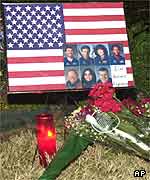
 She was proud to be representing her country