|
 |
 | | | | | | ||||||||||||||||||||||||||||||||||||||||||||||||||||||||||||||||||||||||||||||||||||||||||||||||||||||||||||||||||||||||||||||||||||||||
| | | You are in: Science/Nature | ||||||||||||||||||||||||||||||||||||||||||||||||||||||||||||||||||||||||||||||||||||||||||||||||||||||||||||||||||||||||||||||||||||||||||
|
| | Wednesday, 9 October, 2002, 09:57 GMT 10:57 UK Proteins win top prize 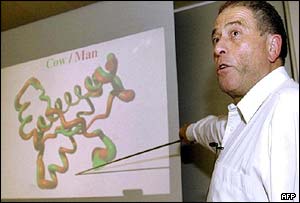 Kurt Wuethrich: Helped open the science of proteomics The 2002 Nobel Prize for chemistry honours science done to increase our understanding of the large, sophisticated molecules, such as proteins, which build and maintain our bodies.
In essence, the trio helped to lay the foundations for the new science of proteomics - the study of how proteins interact with other substances in the cell and sustain life. Proteomics is the next great leap which should build on the information gleaned from the Human Genome Project to produce a new generation of drugs that are expected to be far more effective and even tailored to the individual patient. New tools The Nobel citation said the Laureates had produced "powerful analytical methods for studying biological macromolecules, for example proteins.
Thanks to their work, scientists can now tell which proteins are present in a sample. They can also now even create three-dimensional images of the molecules. This know-how has enabled researchers to better understand how the cells in our bodies work, and helped them develop new diagnostic tools to identify disease. In solution "Their work has paved the way for the future finding of a cure for cancer," said Bengt Norden, chairman of the Nobel committee for chemistry. "Without it, there would be no modern pharmaceuticals."
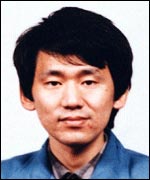
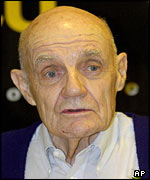
Previously, mass spectrometric methods could only recognise small molecules. Kurt Wuethrich, also in the 1980s, further developed another chemistry tool known as nuclear magnetic resonance (NMR) imaging. Through his work, Wuethrich made it possible to use NMR on proteins and, in particular, for this study to be done in solution (an environment similar to that in the living cell). Youngest laureate Fenn and Tanaka take half of the prize; Wuethrich takes the other half. John Fenn, of the Virginia Commonwealth University in Richmond, US, is now 85. Koichi Tanaka, 43, works for the Shimadzu Corporation in Kyoto, Japan. Kurt Wuethrich, 64, is connected with the Swiss Federal Institute of Technology in Zurich and the Scripps Research Institute in La Jolla, California, US. Tanaka is the youngest chemistry laureate since 1934 and the second Japanese Nobel winner this year following Masatoshi Koshiba, one of the physics laureates. | | See also:  08 Oct 02 | Science/Nature 07 Oct 02 | Health 10 Oct 01 | Science/Nature 10 Oct 00 | Science/Nature Top Science/Nature stories now: Links to more Science/Nature stories are at the foot of the page. | ||||||||||||||||||||||||||||||||||||||||||||||||||||||||||||||||||||||||||||||||||||||||||||||||||||||||||||||||||||||||||||||||||||||||
| |
|  E-mail this story to a friend E-mail this story to a friend |
| |
| Links to more Science/Nature stories |
| | | ||
 | ||||
 | | Back to top
| ||
| ---------------------------------------------------------------------------------- To BBC Sport>> | To BBC Weather>> | To BBC World Service>> ---------------------------------------------------------------------------------- © MMIII | News Sources | Privacy |