|
 |
 | | | | | | ||||||||||||||||||||||||||||||||||||||||||||||||||||||||||||||||||||||||||||||||||||||||||||||||||||||||||||||||||||||||||||||||||||||||||||||||||
| | | You are in: Science/Nature | ||||||||||||||||||||||||||||||||||||||||||||||||||||||||||||||||||||||||||||||||||||||||||||||||||||||||||||||||||||||||||||||||||||||||||||||||||||
|
| | Friday, 6 September, 2002, 10:44 GMT 11:44 UK Rice code is 'greatest achievement' 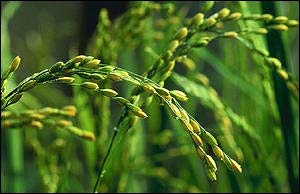 Over half the world depends upon rice
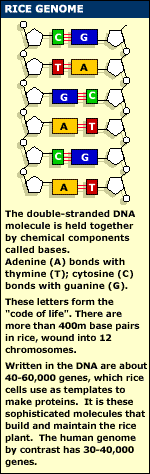
According to Drs Kevin Livingstone and Loren Rieseberg, of the University of Indiana, US, the recent completion of the genomes of two closely related rice species will allow unprecedented insights into evolution. It will also provide crucial information that will allow rice to be genetically engineered to improve its protein content and to allow it to tolerate harsh conditions. Because rice is mankind's most important food crop - the staple diet for half of humanity - the researchers say reading its genome is of more importance than decoding mankind's own genetic code. "Because of the importance of rice and its status as a model for all grasses, these sequences will provide a basis for future genetic improvement of all cereal grains, our most important food resource," Dr Livingstone told BBC News Online. Agricultural benefits The draft sequences of the rice strains known as indica, the predominant subspecies in China and other Asian-Pacific countries, and the japonica, or Nipponbare, which is popular in more arid regions and, in particular, Japan, were formally published in the journal Science in April.
As yet scientists have only a rudimentary knowledge of how different gene arrangements produce different crop characteristics. Another reason why rice could be such a scientific treasure trove is that its genome may contain up to 50,000 genes, more than any other sequenced genome except one, and certainly more than humans. With so many genes, scientists are expecting rice to contain DNA sequences in common with many other organisms, even those that are not directly related. Such common sequences can reveal the pattern of evolution showing how species have developed. Making comparisons Of particular interest is the comparison between rice and Arabidopsis thaliana, or thale cress. In 2000, this tiny weed was the first plant to have its genome decoded. Preliminary work suggests that Arabidopsis has a lot of its genes in common with rice, even though the two types of plant have evolved separately for million years. Livingstone and Rieseberg, writing in the Journal of Current Biology, see rice genetics as the basis for the future improvement of all the cereal grains. The rice sequences, they say, are also a bounty for comparative genomics. "Used wisely, these two sequences will not only allow rapid agricultural advances, but may also answer questions regarding the nature of evolution," they write. | |
See also:  13 Dec 00 | Science/Nature 14 Jan 00 | Science/Nature Internet links: The BBC is not responsible for the content of external internet sites Top Science/Nature stories now: Links to more Science/Nature stories are at the foot of the page. | ||||||||||||||||||||||||||||||||||||||||||||||||||||||||||||||||||||||||||||||||||||||||||||||||||||||||||||||||||||||||||||||||||||||||||||||||||
| |
|  E-mail this story to a friend E-mail this story to a friend |
| |
| Links to more Science/Nature stories |
| | | ||
 | ||||
 | | Back to top
| ||
| ---------------------------------------------------------------------------------- To BBC Sport>> | To BBC Weather>> | To BBC World Service>> ---------------------------------------------------------------------------------- © MMIII | News Sources | Privacy |