|
 |
 | | | | | | ||||||||||||||||||||||||||||||||||||||||||||||||||||||||||||||||||||||||||||||||||||||||||||||||||||||||||||||||||||||||||||||||||||||||||||||||||
| | | You are in: Science/Nature | ||||||||||||||||||||||||||||||||||||||||||||||||||||||||||||||||||||||||||||||||||||||||||||||||||||||||||||||||||||||||||||||||||||||||||||||||||||
|
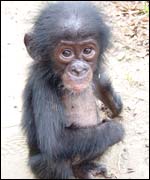
| | Wednesday, 4 September, 2002, 11:13 GMT 12:13 UK Apes' habitat 'vanishing fast' 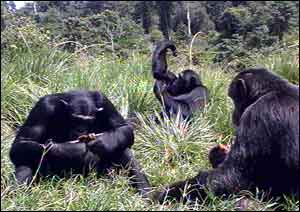 The great apes are under threat
The south-east Asian forests which are home to the orang-utan are disappearing rapidly, the United Nations Environment Programme (Unep) says. The annual 5% loss of habitat means there will be virtually no intact forest left for them by 2030, according to a Unep report.
The plight of Africa's great apes is little better, according to Unep. The UK is providing more money for a project to protect the apes. Unep published its report - The Great Apes - The Road Ahead - at the World Summit on Sustainable Development here. It details the findings of scientists working for Unep's Great Apes Survival Project (Grasp). The results are based on a new way of evaluating the wider impacts of development, like logging and mining on the apes. The species involved are chimpanzees, bonobos or pygmy chimps, gorillas and orang-utans. Concerns Most studies look at the actual area of land taken by a new road, mining camp or other intrusion into the forest. The Unep scientists used a method called Globio, which includes wider impacts such as the fragmentation of habitat, and noise disturbance. Their estimates suggest that by 2030 only 10% of gorilla habitat will be classifiable as relatively undisturbed.
Dr Klaus Toepfer, Unep's Executive Director, said at the report's launch: "Roads are being built in the few remaining pristine forests of Africa and south-east Asia to extract timber, minerals and oil. "Uncontrolled road construction in these areas is fragmenting and destroying the great apes' last homes. "This makes it easier for poachers to slaughter them for meat, and it makes their young more vulnerable to capture for the illegal pet trade. "It is not too late to stop the uncontrolled exploitation of these forests. "By doing so we may save not only the great apes but thousands of other species as well. "And by conserving the apes we will also protect the livelihoods of the many people that rely on forests for food, medicine and clean water. " 'Moral responsibility' Dr Jane Goodall began studying chimpanzees in east Africa in 1960. "Chimpanzees resemble humans not only genetically and anatomically, but in their behaviour," she said.
"They have long-term affectionate and supportive relationships, they sometimes make war - although more often they're loving. "And they can be altruistic. We can see the same kind of behaviour in the three other great ape species. "All have minds that can solve simple problems, and all have feelings. So it's a moral responsibility to save them from extinction. "Yet their plight is desperate. In central Africa the greatest crisis they face is the bush meat trade. "And the only way to capture a young one for the pet trade is to kill an adult." The UK, which already supports Grasp, is giving a further �300,000 ($470,000) over the next three years. Two new donors are also supporting Grasp - the United Nations Foundation and the International Fund for Animal Welfare. | | See also:  03 Sep 02 | Africa 03 Oct 01 | Science/Nature 20 Aug 01 | Science/Nature 13 Aug 01 | Africa 10 Aug 01 | Science/Nature 20 May 01 | Science/Nature Internet links: The BBC is not responsible for the content of external internet sites Top Science/Nature stories now: Links to more Science/Nature stories are at the foot of the page. | ||||||||||||||||||||||||||||||||||||||||||||||||||||||||||||||||||||||||||||||||||||||||||||||||||||||||||||||||||||||||||||||||||||||||||||||||||
| |
|  E-mail this story to a friend E-mail this story to a friend |
| |
| Links to more Science/Nature stories |
| | | ||
 | ||||
 | | Back to top
| ||
| ---------------------------------------------------------------------------------- To BBC Sport>> | To BBC Weather>> | To BBC World Service>> ---------------------------------------------------------------------------------- © MMIII | News Sources | Privacy |