|
 |
 | | | | | | ||||||||||||||||||||||||||||||||||||||||||||||||||||||||||||||||||||||||||||||||||||||||||||||||||||||||||||||||||||||||||||||||||||||||||||||||||||||||||||||||||||||||||||||||||
| | | You are in: Science/Nature | ||||||||||||||||||||||||||||||||||||||||||||||||||||||||||||||||||||||||||||||||||||||||||||||||||||||||||||||||||||||||||||||||||||||||||||||||||||||||||||||||||||||||||||||||||||
|
| | Monday, 19 August, 2002, 14:14 GMT 15:14 UK Voyager going strong 25 years on 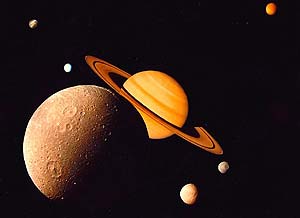 A composite of Voyager's pictures of Saturn
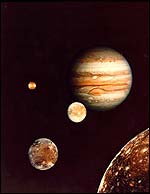
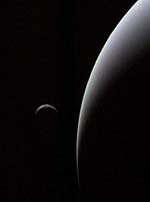
Both spacecraft flew past the giant planets Jupiter and Saturn, and one went on to the mysterious Uranus and Neptune. Now they are reaching even further out into space, and will soon be the first to escape to wander the galaxy. In a way the Voyager spacecraft came to define a golden age of planetary exploration. Voyager 2 was launched first, on 20 August, followed by Voyager 1 some 16 days later. During the first 12 years after launch in 1977, they produced a wealth of discoveries about the four gas-giant worlds and their 48 moons. They found fast winds on Neptune, kinks and spokes in Saturn's rings and spectacular volcanoes on Jupiter's moon Io, the most volcanically active world known.
Most distant object Voyager 1 is now the most distant man-made object, about 85 times as far from the Sun as Earth is. Voyager 2 is now about 68 times the Sun-Earth distance. "After 25 years, the spacecraft are still going strong," says Edward Stone, Voyager project scientist since 1972. "Back in 1977, we had no way to know they would last so long. We were initially just on a four-year journey to Jupiter and Saturn." The Voyagers are still in almost daily contact as they travel through the distant ripples of the wind from the Sun. Their eventual goal is to become the first spacecraft to escape the Sun's influence. Both spacecraft are heading towards the heliopause, the boundary between the Sun's influence and interstellar space.
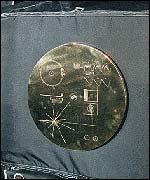
Recent estimates are that, depending on that distance, it would take Voyager 1 between seven and 21 years to reach the Solar System's edge. Voyager 1 has already discovered that the outbound solar wind around it is slowing from effects of inbound interstellar particles leaking through the boundary. A much better prediction of the boundary's location will come when the spacecraft encounters the termination shock, the zone where the solar wind begins piling up against the heliopause. That encounter may come within the next three years. But their final task may last longer than humanity's lifetime. Last mark Long after they fall silent, the Voyager twins will keep speeding away from our solar system, each carrying a disk of recorded sounds and images from Earth.
Long after our Sun has swelled to become a Red Giant, probably destroying the Earth in the process, the Voyager craft will still be moving among the stars. Perhaps long after mankind itself has disappeared from the Cosmos they will still be wandering. If they are ever found by another intelligence I wonder what they would make of the images of the creatures who made it so long ago and so far away. The Voyagers could be our final mark on the Universe, what mankind is judged by. | |
See also:  18 Feb 98 | Science/Nature 09 Oct 02 | Science/Nature 30 Apr 01 | Science/Nature Internet links: The BBC is not responsible for the content of external internet sites Top Science/Nature stories now: Links to more Science/Nature stories are at the foot of the page. | ||||||||||||||||||||||||||||||||||||||||||||||||||||||||||||||||||||||||||||||||||||||||||||||||||||||||||||||||||||||||||||||||||||||||||||||||||||||||||||||||||||||||||||||||||
| |
|  E-mail this story to a friend E-mail this story to a friend |
| |
| Links to more Science/Nature stories |
| | | ||
 | ||||
 | | Back to top
| ||
| ---------------------------------------------------------------------------------- To BBC Sport>> | To BBC Weather>> | To BBC World Service>> ---------------------------------------------------------------------------------- © MMIII | News Sources | Privacy |