
|
 |
 | | | | | | ||||||||||||||||||||||||||||||||||||||||||||||||||||||||||||||||||||||||||||||||||||||||||||||||||||||||||||||||||||||||||||||||||||||||
| | | You are in: Science/Nature | ||||||||||||||||||||||||||||||||||||||||||||||||||||||||||||||||||||||||||||||||||||||||||||||||||||||||||||||||||||||||||||||||||||||||||
|
| | Tuesday, 30 July, 2002, 11:58 GMT 12:58 UK Tougher bugs beat pesticides 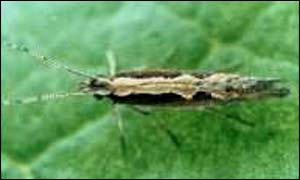 Diamondback moth pest: Scourge of cabbage growers (Image: Rothhamsted Research) Farmers are losing ground in the war against common agricultural pests as insects become hardened to chemical sprays, say scientists.
More than 40% of potential crop yield was already being lost, they said, and this could worsen. It might be economically impossible to continue producing certain crops in future, they claimed. Hardy masses Some insects actually eat crops, while others help spread diseases which attack the plants. The report, from Rothamsted Research in Hertfordshire and the John Innes Centre in Norwich, said that at least 540 species of insect were now resistant to at least one class of insecticide. Professor Ian Crute, director of Rothamsted Research, said: "Just as human health is under threat from antibiotic resistance, so crop health is under threat from insecticide resistance. "The bugs are gaining on us - and our defences are increasingly fragile. "We need new science-based tools for insect control and without them, our ability to feed ourselves is in jeopardy." As with the problem of bacterial resistance to antibiotics, it is suggested that over-use of particular classes of insecticides is partly to blame for the rise of more hardy insects. No options However, there are also fears that, with manufacturers choosing to discontinue production of certain chemicals, there may be nowhere to turn in the event of a major outbreak of certain crop pests.
Increasingly, a shift to "broad-spectrum" pesticides - more profitable for manufacturers - could mean the extinction of beneficial insects alongside the targeted pests. The report calls for increased research to find new ways of attacking pests. The burgeoning popularity of organic farming has fostered the belief that it is possible to farm effectively with far fewer pesticides. However, the report's authors disagree. Professor Chris Lamb, from the John Innes Centre, said: "Some of the public have a misplaced fear about pesticides and there is a danger we will score an own goal by failing to protect our ability to grow adequate quantities of food. "Science is providing exciting new opportunities that will, in time, move us beyond pesticides." | | See also:  30 May 02 | Science/Nature 15 Mar 02 | UK 13 Mar 02 | Health 12 Mar 02 | Wales 16 Feb 02 | Scotland 07 Feb 02 | Science/Nature 29 Jan 02 | Science/Nature 28 Feb 01 | Health Internet links: The BBC is not responsible for the content of external internet sites Top Science/Nature stories now: Links to more Science/Nature stories are at the foot of the page. | ||||||||||||||||||||||||||||||||||||||||||||||||||||||||||||||||||||||||||||||||||||||||||||||||||||||||||||||||||||||||||||||||||||||||
| |
|  E-mail this story to a friend E-mail this story to a friend |
| |
| Links to more Science/Nature stories |
| | | ||
 | ||||
 | | Back to top
| ||
| ---------------------------------------------------------------------------------- To BBC Sport>> | To BBC Weather>> | To BBC World Service>> ---------------------------------------------------------------------------------- © MMIII | News Sources | Privacy |





