|
 |
 | | | | | | ||||||||||||||||||||||||||||||||||||||||||||||||||||||||||||||||||||||||||||||||||||||||||||||||||||||||||||||||||||||||||||||||||||||||||||||||||||||||||||||||||||||||||||||
| | | You are in: Science/Nature | ||||||||||||||||||||||||||||||||||||||||||||||||||||||||||||||||||||||||||||||||||||||||||||||||||||||||||||||||||||||||||||||||||||||||||||||||||||||||||||||||||||||||||||||||
|
| | Tuesday, 21 May, 2002, 13:48 GMT 14:48 UK Quarter of mammals 'face extinction' Siberian tigers may vanish within three decades
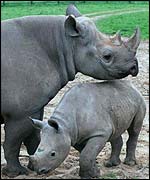
The United Nations Environment Programme (Unep) report is officially published on Wednesday. It identifies more than 11,000 endangered animal and plant species - including more than 1,000 mammals, nearly a quarter of the world's total. One in eight bird species is also in danger of extinction, and more than 5,000 different plants. Human encroachment The species likely to vanish within three decades include well-publicised cases such as the black rhinoceros and the Siberian tiger, and less well-known animals such as the Philippine eagle and the Asian Amur leopard. The UN report is a review of the past 30 years in terms of environmental damage. Based on that assessment, the UN says that all the factors which have led to the extinction of species in recent decades continue to operate with "ever-increasing intensity". The encroachment of human settlement into wilderness regions, rainforest and wetlands destruction, and the impact of industry, have had a dramatic impact on the survival of threatened animals and plants. The report says many problems could be rectified if governments implement the treaties and conventions passed since the Rio Earth Summit in 1992. These include the Kyoto Protocol on climate change and the Convention on Biodiversity. | |
See also:  20 May 02 | Science/Nature 21 May 02 | Asia-Pacific 24 Dec 01 | Science/Nature 20 Aug 01 | Science/Nature 21 Jul 01 | Science/Nature 08 Feb 01 | Science/Nature Internet links: The BBC is not responsible for the content of external internet sites Top Science/Nature stories now: Links to more Science/Nature stories are at the foot of the page. | ||||||||||||||||||||||||||||||||||||||||||||||||||||||||||||||||||||||||||||||||||||||||||||||||||||||||||||||||||||||||||||||||||||||||||||||||||||||||||||||||||||||||||||||
| |
|  E-mail this story to a friend E-mail this story to a friend |
| |
| Links to more Science/Nature stories |
| | | ||
 | ||||
 | | Back to top
| ||
| ---------------------------------------------------------------------------------- To BBC Sport>> | To BBC Weather>> | To BBC World Service>> ---------------------------------------------------------------------------------- © MMIII | News Sources | Privacy |