|
 |
 | | | | | | |||||||||||||||||||||||||||||||||||||||||||||||||||||||||||||||||||||||||||||||||||||||||||||||||||||||||||||||||||||||||||||||||||||||||||||||||||||||||||||||||||||||||||||||||||||||||||||||||
| | | You are in: Middle East | |||||||||||||||||||||||||||||||||||||||||||||||||||||||||||||||||||||||||||||||||||||||||||||||||||||||||||||||||||||||||||||||||||||||||||||||||||||||||||||||||||||||||||||||||||||||||||||||||||
|
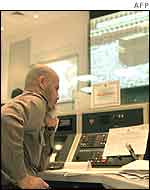
| | Wednesday, 12 February, 2003, 15:32 GMT Hajj continues under strict watch  Security measures were stepped up Saudi authorities have stepped up controls on millions of Muslims taking part in the annual pilgrimage to Mecca, a day after 14 people were crushed to death in a stampede. More than two million people continued the ritual stoning of pillars representing Satan at Mina, near Mecca, on Wednesday, as helicopters hovered overhead and officials monitored the crowds.
The previous morning's crush happened as pilgrims returning to their camps met others coming the opposite direction. It occurred despite already strict security measures to prevent a repeat of deadly stampedes seen in previous years. Authorities controlling the pilgrimage, or Hajj, have blamed the tragedy on pilgrims not following instructions. 'Disaster prevented' This year's event takes place against the backdrop of a looming war with Iraq, and authorities have deployed thousands of troops to maintain order. Three hundred cameras have been installed which are linked to a command and control centre. The head of the Hajj control unit said the "timely intervention" of security forces had prevented a far greater disaster. "The presence of a large number of police greatly helped to reduce losses," Brigadier Abdul Aziz Said told a press conference on Wednesday.
"What happened was purely accidental and not a result of the failure in our security arrangements. It was the result of overcrowding caused by pilgrims not following the rules strictly," he added. The dead have been identified as four Pakistanis, three Indians, two Egyptians, and one each from Sudan, Yemen and Iran. Two others remain unidentified. Another 22 people were slightly injured, 20 of whom were treated on the spot with the others discharged from hospital soon afterwards. Security alerts The stoning of the pillars, which symbolises the rejection of earthly temptations, will be repeated on Thursday as the Hajj winds down.
After completing the ritual, pilgrims circle the Kaaba - a cube-shaped stone structure at the centre of Mecca's Grand Mosque - seven times. Then they say farewell prayers and ask God to accept their pilgrimage, which every able-bodied Muslim must make once in a lifetime. Afterwards, Muslims celebrate the start of the Eid al-Adha, or feast of sacrifice. Security forces in the United States and Britain have been placed on high alert amid warnings that terrorists could launch an attack during the festival. Police in London, where troops were deployed at Heathrow airport on Tuesday after intelligence warnings of a possible threat, said that the al-Qaeda network or other associated terrorist groups could attack during the Eid. | |
See also:  11 Feb 03 | Middle East 07 Feb 03 | Middle East 12 Feb 03 | Middle East 10 Feb 00 | Middle East 11 Feb 03 | Middle East Internet links: The BBC is not responsible for the content of external internet sites Top Middle East stories now: Links to more Middle East stories are at the foot of the page. | |||||||||||||||||||||||||||||||||||||||||||||||||||||||||||||||||||||||||||||||||||||||||||||||||||||||||||||||||||||||||||||||||||||||||||||||||||||||||||||||||||||||||||||||||||||||||||||||||
 | |
|  E-mail this story to a friend E-mail this story to a friend |
| |
| Links to more Middle East stories |
| | | ||
 | ||||
 | | Back to top
| ||
| ---------------------------------------------------------------------------------- To BBC Sport>> | To BBC Weather>> | To BBC World Service>> ---------------------------------------------------------------------------------- © MMIII | News Sources | Privacy |