|
 |
 | | | | | | ||||||||||||||||||||||||||||||||||||||||||||||||||||||||||||||||||||||||||||||||||||||||||||||||||||||||||||||||||||||||||||||||||||||||||||||||||||||||||||||||||||||||||||||||||||||||||||||||
| | | You are in: Middle East | ||||||||||||||||||||||||||||||||||||||||||||||||||||||||||||||||||||||||||||||||||||||||||||||||||||||||||||||||||||||||||||||||||||||||||||||||||||||||||||||||||||||||||||||||||||||||||||||||||
|
| | Sunday, 2 February, 2003, 09:41 GMT Analysis: Battle for second resolution  The UK and US still have a lot of convincing to do
A diplomatic battle has now been opened over a Security Council resolution authorising force against Iraq, and the pendulum has suddenly swung back in favour of Washington and London. Nine of the 15 votes on the council are needed to get a resolution passed, with no veto from any of the five permanent members.
The following would, or probably would with the right arm-twisting, vote in favour: US, Britain, Bulgaria, Spain, Cameroon, Guinea, Angola and Chile. That is eight. Mexico could bring the total to nine. Pakistan remains doubtful. Syria would vote against. Germany might abstain. So might China which tends to sit out these kinds of confrontations. The keys are France and Russia, both of whom have a veto. Russia might come on board if the inspectors continue to give Iraq low points. Open to persuasion Mr Blair's first task will be to tackle French President Jacques Chirac, with whom he is holding a summit in the French channel resort of Le Touquet on Tuesday. This meeting was delayed from last year as a result of a row between the two over European farm policy reform, but turns out to come at a very opportune moment.
So the French are, in the British view, open to persuasion. The negative report of the UN weapons inspector Dr Hans Blix on 27 January about the level of Iraqi co-operation has given the US and Britain, which had been on the defensive against a Franco-German offensive, the initiative. Even the right-wing French newspaper le Figaro says that "Paris has probably just lost the pre-war battle". The UK Prime Minister, Tony Blair, told the BBC that he was "confident" that a second resolution - following up resolution 1441 which referred to unspecified "serious consequences" - can be passed and that he was in "no doubt at all" that President Bush wants one as well. Mr Bush, however, is a man in a hurry and made it clear after his Washington talks with Mr Blair that the issue of a specific resolution "just needs to be resolved quickly". Short and sharp In the final analysis, the Americans do not really feel they need another resolution.
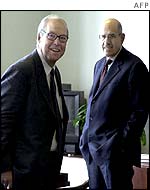
They may not even really want one, but appear ready to go along with the plan. If it fails, they will act anyway. There will, therefore, be no seven-week negotiation like the one which preceded the adoption of resolution 1441. This time, the resolution will be short and sharp and may well be introduced soon after Mr Blix reports back to the council on 14 February, especially if he reports no progress. This would enable the decks to be cleared for action sometime in March. Since military build-ups usually take longer than expected, mid-March seems to be the earliest time. Ideally, the British side would like to see a longer inspection process, but is not committed to any extended timetable and there will certainly be American pressure for a swift decision. Against that, opponents of a war might call for further reports by inspectors and a declaration by them that there is no point in going on. Next steps Two events are likely to show which way the issue will go. The first is on Wednesday, when the US Secretary of State, Colin Powell, presents the American case against Iraq in open session at the Security Council. He is said to be busily declassifying images and documents for his presentation. Satellite photographs of Iraqis moving equipment from sites in advance of inspections are said to be among the evidence to be on display. Both the United States and Britain have previously accused Iraq of having mobile biological warfare laboratories which they move around and if there is sight of these, it will count for something. But equally, Mr Powell will have to do a lot to convince the critics. There is great scepticism of the claim of a clear link between Iraq and al-Qaeda, for example. The second event will be on 14 February when Mr Blix and nuclear chief inspector Dr Mohamed ElBaradei give a new report to the council. If they cannot announce that all is suddenly well, expect the final moves to begin. | |
See also:  02 Feb 03 | Middle East 27 Jan 03 | Americas 01 Feb 03 | Middle East Internet links: The BBC is not responsible for the content of external internet sites Top Middle East stories now: Links to more Middle East stories are at the foot of the page. | ||||||||||||||||||||||||||||||||||||||||||||||||||||||||||||||||||||||||||||||||||||||||||||||||||||||||||||||||||||||||||||||||||||||||||||||||||||||||||||||||||||||||||||||||||||||||||||||||
 | |
|  E-mail this story to a friend E-mail this story to a friend |
| |
| Links to more Middle East stories |
| | | ||
 | ||||
 | | Back to top
| ||
| ---------------------------------------------------------------------------------- To BBC Sport>> | To BBC Weather>> | To BBC World Service>> ---------------------------------------------------------------------------------- © MMIII | News Sources | Privacy |