|
 |
 | | | | | | ||||||||||||||||||||||||||||||||||||||||||||||||||||||||||||||||||||||||||||||||||||||||||||||||||||||||||||||||||||||||||||||||||||||||||||||||||||||||||||||||||||||||||||||||
| | | You are in: Middle East | ||||||||||||||||||||||||||||||||||||||||||||||||||||||||||||||||||||||||||||||||||||||||||||||||||||||||||||||||||||||||||||||||||||||||||||||||||||||||||||||||||||||||||||||||||
|
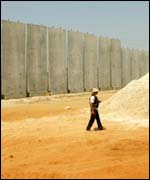
| | Thursday, 23 January, 2003, 19:11 GMT Israeli settlements spending criticised  Settlement expansion is controversial A disproportionate amount of the Israeli Government's budget has been spent on Jewish settlements in Palestinian territories, a report claims. Peace Now - which tracks Jewish settlement activity - says 2.2bn shekels ($450m) from the 2001 budget were spent on settlements in the West Bank.
However, the report was dismissed as "manipulative" by a group which represents settlers. It came as a new opinion poll showed the right-wing Likud party of Israeli Prime Minister Ariel Sharon on course for victory in next Tuesday's general election. 'Political' aims In its report, Peace Now said that the Israeli Government spent $1,500 more per capita on Jewish settlers than it spent on citizens living in Israel. It says the money went on housing, roads, industrial development and income tax benefits.
"The policy of the Israeli Government is to try to increase the number of settlers beyond the Green Line (Israel-West Bank border) and to make their life and economy better than life in Israel," Peace Now spokesman Yariv Oppenheimer said. "It is a way to achieve a political goal." Peace Now gave detailed information in its report but said the data was incomplete because funds had been scattered throughout the budget. However, the Yesha settlers council told the Israeli daily newspaper Ha'aretz that the data had been altered "to serve the political purposes of those who ordered it". It said those living in "confrontational settlements" were paying higher income tax and were being discriminated against. Election looms A survey in the Israeli daily Yediot Aharonot on Thursday showed Likud way ahead of the centre-left Labour Party. The poll gave Likud 33 or 34 seats in the 120-seat parliament up from its current number of 19. In contrast, Labour was heading for a crushing defeat with just 18 or 19 seats, down from 25. The survey predicted that a Likud-led coalition, which included the ultra-Orthodox and far-right parties, could have 65 or 66 members with the left and centre having 55. | |
See also:  23 Jan 03 | Middle East 31 Oct 02 | Middle East 17 Jan 03 | Middle East 22 Nov 02 | Middle East 19 Jan 03 | Middle East 05 Dec 02 | Middle East 20 Nov 02 | Middle East 09 Jan 03 | Middle East Internet links: The BBC is not responsible for the content of external internet sites Top Middle East stories now: Links to more Middle East stories are at the foot of the page. | ||||||||||||||||||||||||||||||||||||||||||||||||||||||||||||||||||||||||||||||||||||||||||||||||||||||||||||||||||||||||||||||||||||||||||||||||||||||||||||||||||||||||||||||||
 | |
|  E-mail this story to a friend E-mail this story to a friend |
| |
| Links to more Middle East stories |
| | | ||
 | ||||
 | | Back to top
| ||
| ---------------------------------------------------------------------------------- To BBC Sport>> | To BBC Weather>> | To BBC World Service>> ---------------------------------------------------------------------------------- © MMIII | News Sources | Privacy |





 The policy of the Israeli Government is to try to increase the number of settlers... and to make their life and economy better than life in Israel